
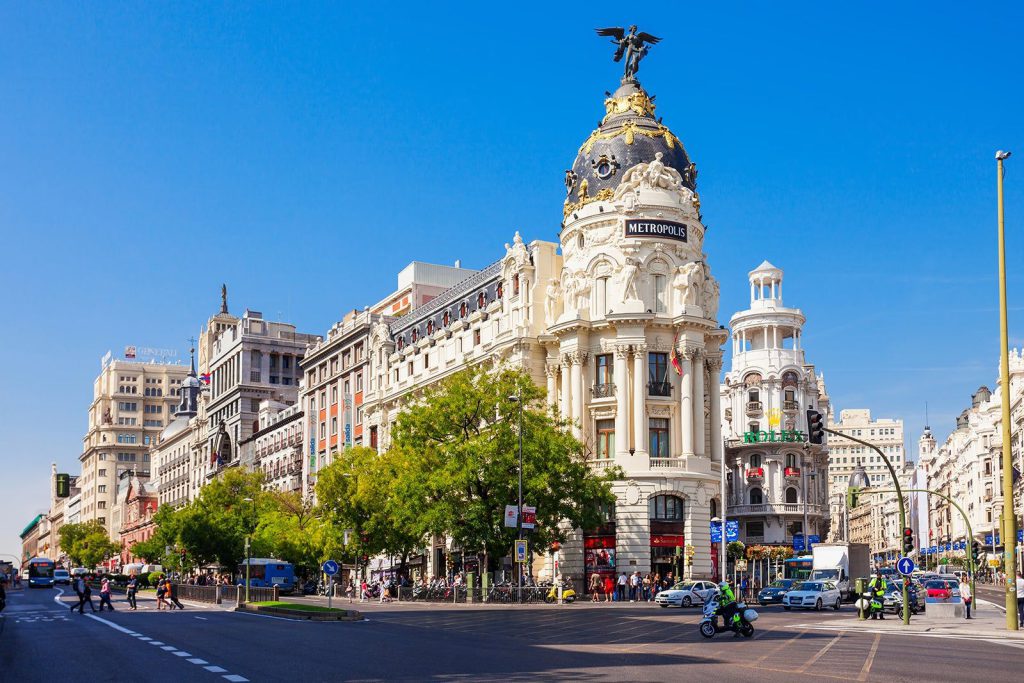
Madrid isn’t a trend. It’s a city that has spent centuries perfecting the art of living well — and in 2026, the world finally agreed to say so out loud. In February, the organisation European Best Destinations proclaimed it Best European Destination of the year, collecting over 1.3 million votes from travellers across 154 countries. Madrid received 127,438 international votes — excluding Spanish voters, who are not eligible — beating Nicosia, Verona and Paris.
And that’s not the only recognition. In recent years it has ranked second as the world’s most attractive urban destination according to Euromonitor, placed in the top 5 of Resonance’s Best Cities, was named Europe’s most desired city by Wanderlust magazine and leads the World Travel Awards for global meetings destination. But beyond the trophies, the real question is: what does Madrid have that other European capitals don’t? That’s exactly what we’re about to find out.
Why 2026 is the perfect moment to visit Madrid
European Best Destinations describes Madrid as a city where “heritage and modernity coexist effortlessly: world-class museums, dynamic neighbourhoods, green spaces, bold architecture and an unmistakable joy of living.” And 2026 is no ordinary year: the 175th anniversary of the Museo del Prado, metro network expansion, new boutique hotel openings and festivals like Mad Cool make this a particularly rich year to visit.
If Madrid has been on your radar, this is your moment. And if you want to prepare your trip properly, our complete Madrid travel guide is a great place to start.
The Art Triangle: the best cultural square kilometre in Europe
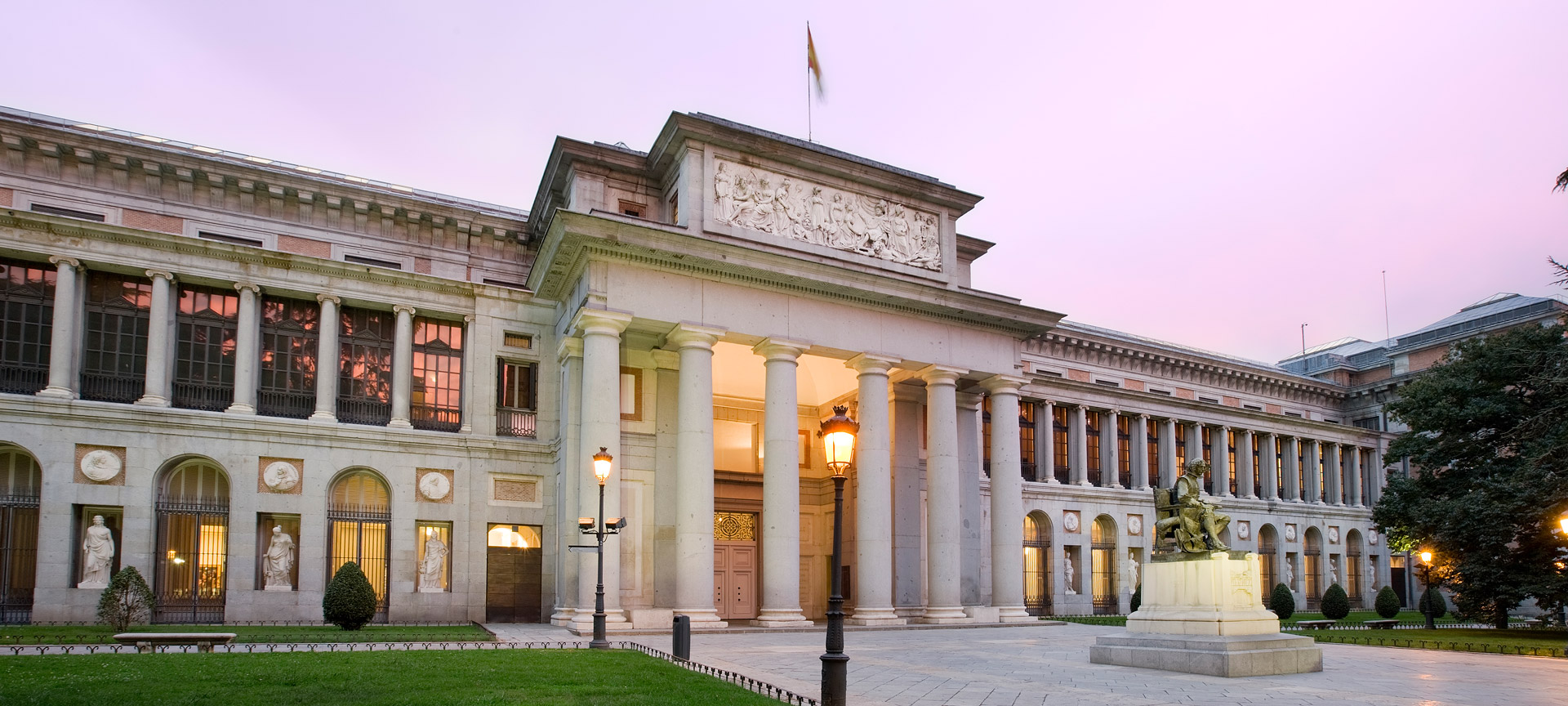
Very few cities on earth can claim three world-class museums within a ten-minute walk. Along the Paseo del Prado — a UNESCO World Heritage corridor known as the Paisaje de la Luz — you’ll find the Prado, the Reina Sofía and the Thyssen-Bornemisza side by side:
- The Museo del Prado houses Velázquez’s Las Meninas and a Goya collection that stops you in your tracks.
- The Reina Sofía is home to Picasso’s Guernica — as powerful and unsettling in person as you’d expect.
- The Thyssen-Bornemisza traces centuries of European painting in one building. Perfect if you don’t know where to start.
The neighbourhoods: where Madrid’s soul lives
Monuments are great, but Madrid is best understood by walking its neighbourhoods. Each one has a distinct personality — and together they explain why this city gets under your skin.

La Latina — Old Madrid at its most authentic
Cobbled streets from the Habsburg era, time-worn taverns and the city’s best tapas. Sit on a terrace with a glass of red wine and manchego cheese and you’ll feel transported centuries back. On Sunday mornings, the El Rastro flea market turns it into the perfect half-day plan. Here’s how to experience Madrid like a local.
Malasaña and Chueca — Creative and cosmopolitan Madrid
Vintage shops, independent galleries, specialty coffee and a nightlife that doesn’t need massive superclubs to be genuinely exciting. Alternative, creative and unapologetically cool. If you arrive at the weekend, don’t rush: these neighbourhoods wake up late and last until late.
Lavapiés — Multicultural Madrid
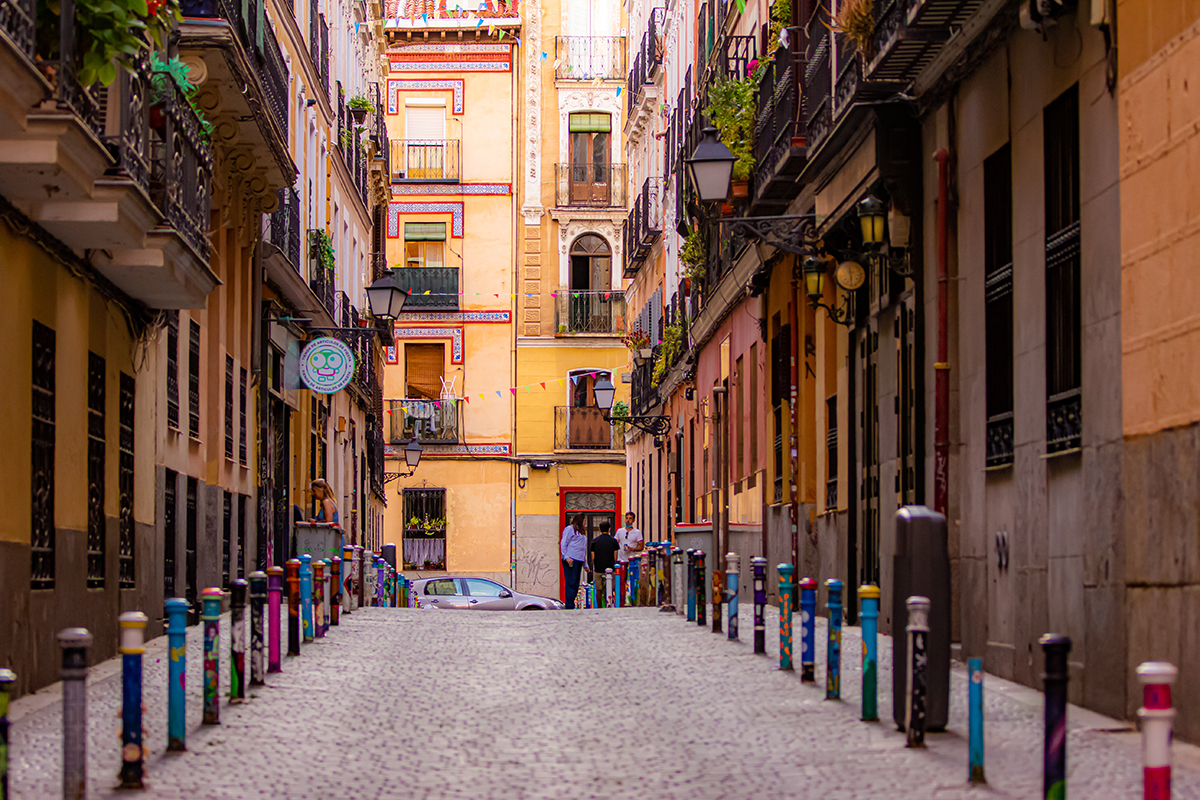
The city’s most diverse neighbourhood: street art, fringe theatre and cuisines from around the world packed into sloping streets. If you want to get off the standard tourist trail, start here.
Chamberí — Real Madrid (the neighbourhood kind)
Quieter and more residential, this is where Madrileños actually live: local markets, terrace squares without queues and restaurants that aren’t written up in every travel guide. A completely different experience from the historic centre.
Food: so much more than paella and sangría
Madrid is one of the most exciting gastronomic capitals in Europe, with over 40 Michelin-starred restaurants, led by DiverXO from chef Dabiz Muñoz. But sustainable dining also has a strong presence here.
El Invernadero (chef Rodrigo de la Calle) and Coque (Mario Sandoval) both hold a Michelin Green Star for their commitment to seasonal, sustainable gastronomy. And for the market experience:
- Mercado de San Antón (Chueca): solar-powered lighting and recycled-material flooring. Genuine sustainability, not just window dressing.
- Día del Mercado, first Saturday of each month at Casa de Campo: zero-kilometre Madrid produce with protected designation of origin.
- Mercado de San Miguel: the most iconic spot for a standing vermouth among high-quality tapas.
Green Madrid: more trees than you’d expect
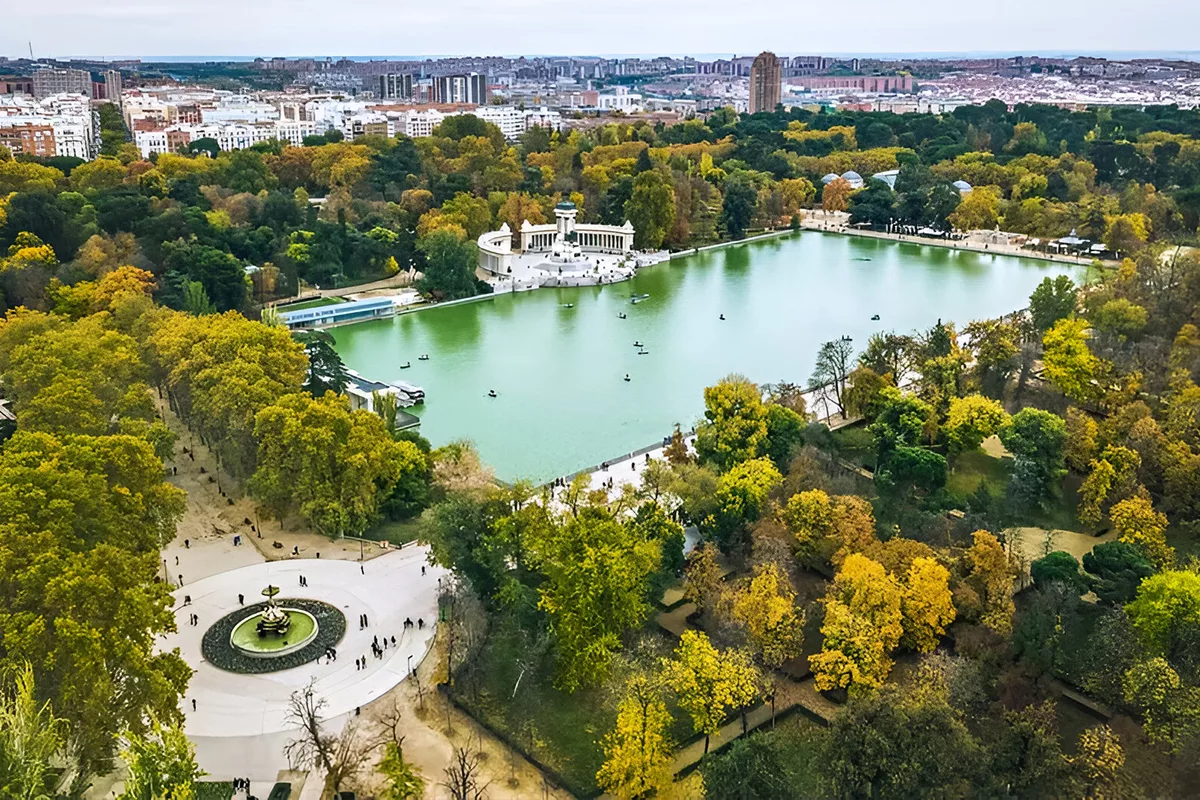
One of the biggest misconceptions about Madrid is that it’s a grey, arid city of concrete. The reality: over 200 parks and gardens covering 6,400 hectares of green heritage. It ranks among the European cities with the most trees per inhabitant.
- Madrid Río: a long linear park along the Manzanares river. Cycling, running or simply lying in the sun. A gem that rarely makes it into travel guides.
- Casa de Campo: over 1,500 hectares to get lost in nature without leaving the city. It even has a Botanical Trail showcasing native vegetation.
- Jardines de Sabatini: right in front of the Royal Palace, perfect for a rest with a view.
Getting around Madrid with a lighter footprint
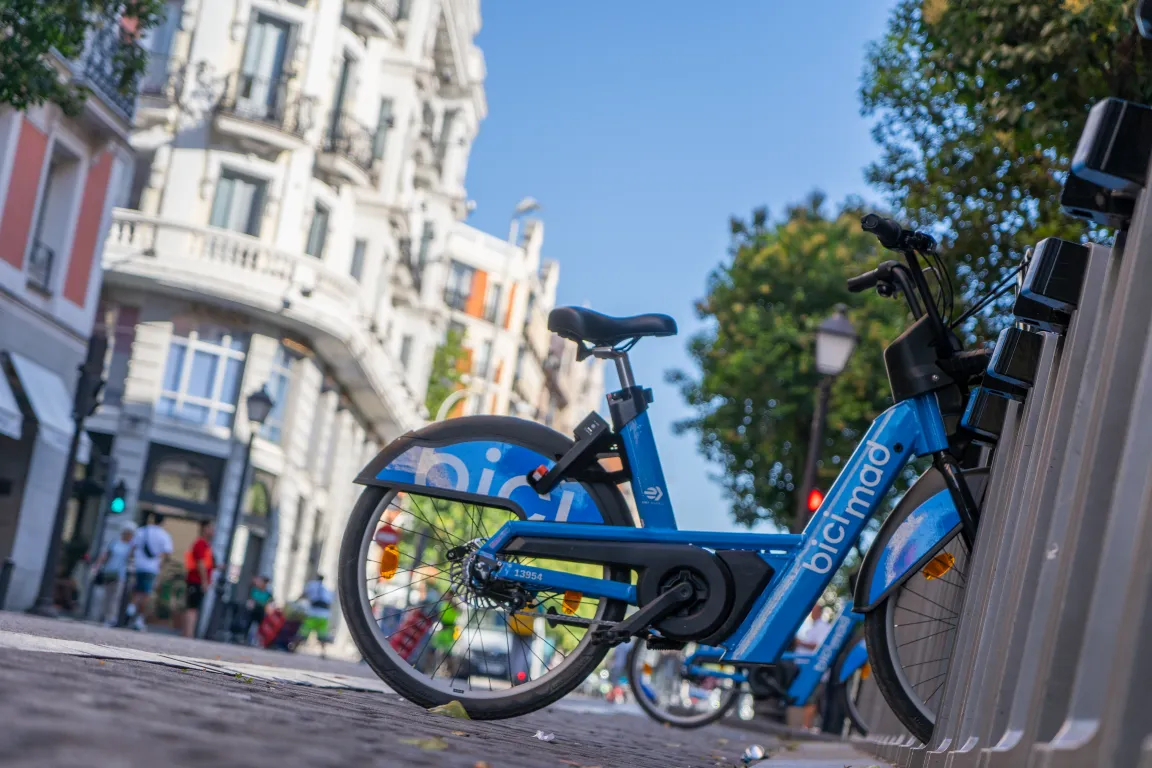
- BiciMAD: 258 stations and over 3,000 fully electric bikes. Affordable, easy to use and the best way to understand the real scale of the city.
- Líneas Cero: entirely electric bus fleets as part of the Madrid 360 Environmental Sustainability Strategy. Metro, bus and commuter rail cover virtually everything.
- CO₂RESPONSABLES Madrid: a carbon footprint calculator that lets you measure and offset your trip’s emissions, with funds going to certified forest restoration projects in Spain.
More ideas via Spain’s official sustainable tourism guide for Madrid.
Shopping with values: the Madrid that doesn’t appear in malls
- Proyecto Circular (c/ Ventura Rodríguez, 22): the city’s first sustainable and ethical fashion store. All pieces made in Spain, free from labour exploitation, with full traceability.
- Ecoalf (Malasaña): clothing made from materials recovered from the sea. One of Spain’s most internationally recognised sustainable brands.
- Granel Madrid (c/ Embajadores, 12): a zero-waste food shop where you buy exactly what you need, in the container you bring.
- Nuilea (c/ León, 4): natural cosmetics from brands that respect the environment, support local craftsmanship and never test on animals.
More options in this guide to eco-friendly shops in Madrid.
Where to stay: choose your Madrid
- Barrio de las Letras / Lavapiés: culture, authentic neighbourhood life and the Art Triangle museums on foot.
- Malasaña / Chueca: alternative scene, contemporary food and a young, vibrant atmosphere.
- La Latina / Historic Centre: the most traditional experience with direct access to the main landmarks.
- Chamberí / Argüelles: quieter, well connected, ideal for longer stays or families.
For a detailed breakdown with maps, this complete guide on where to stay in Madrid is well worth a read. And at this world to book you’ll find a curated selection of certified sustainable hotels so your accommodation is as thoughtful as the rest of your trip.
Before you go: 5 things that make a real difference
- Best time to visit: spring (April–June) and autumn (September–October). Perfect weather, packed cultural calendar and far less pressure than August.
- Airport to centre: Metro Line 8 in 25 minutes for under €5. Skip the taxi if you can.
- Free museums: use the free admission windows at the Prado, Reina Sofía and Thyssen. You save money and avoid the midday crowds.
- Tourist transport card: the 7-day card covers metro, bus and commuter rail with unlimited journeys. Details at esmadrid.com.
- Escape the centre in peak season: Chamberí, Moncloa and Argüelles have the same charm with far fewer crowds. Locals know this well.
Madrid isn’t a trend. It’s a moment
European Best Destinations calls Madrid “a new urban model: vibrant and human, cosmopolitan and warm.” They’re right. This is a city that doesn’t need to manufacture its image — it already has one: neighbourhoods with real personality, art on every corner, unapologetic food culture and a way of living that genuinely rubs off on you.
Over 1.3 million travellers from around the world confirmed what many of us already knew: Madrid is at the centre of the conversation about travel in Europe right now. The only question left is when you’re going.
Ready to experience Madrid with a positive impact?
At this world to book you’ll find certified sustainable hotels and personalised guidance so every night in Madrid also counts for something.
Published in Destinations · This World To Book — Certified sustainable travel agency · Travel good. Do good.