
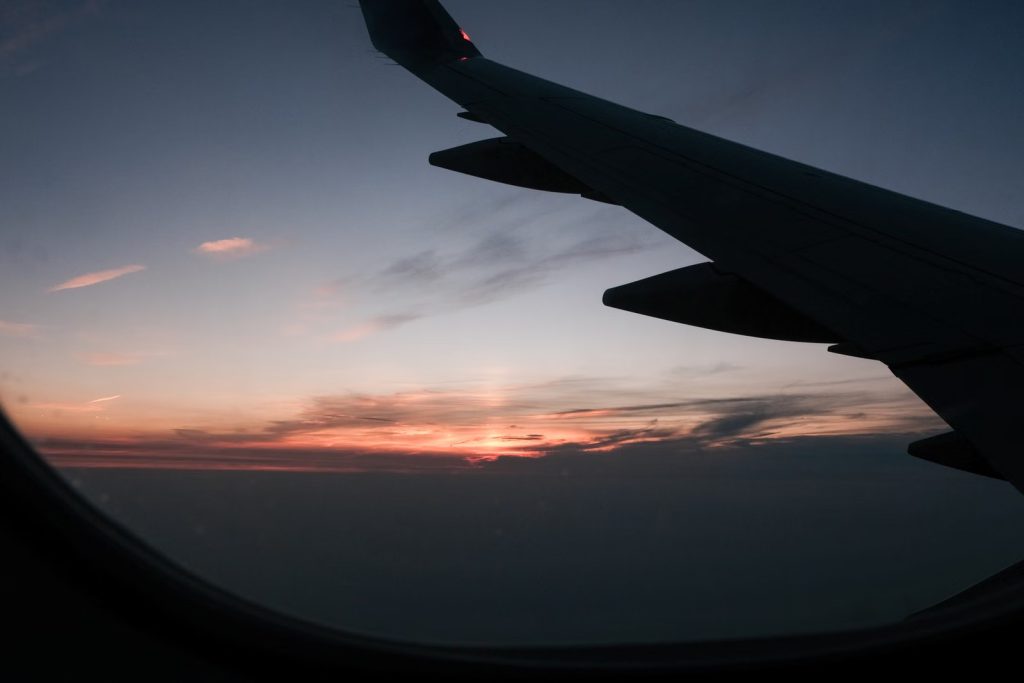
Travel in 2026 has demanded a highly strategic approach. Global events have reshaped the tourism landscape throughout the year. On one hand, they’ve driven unprecedented demand in specific regions; on the other, they’ve opened quieter corridors for savvy explorers. Whether you’re chasing the energy of an international sporting spectacle or the awe of a celestial event, a well-timed itinerary still makes the difference. The same holds true if you prefer the calm of remote wilderness: there, local knowledge is what counts. As part of the broader 2026 travel trends, travelers continue to prioritize sustainable practices and shoulder-season value. On top of that, more of them are choosing climate-conscious retreats over the historically crowded summer hotspots. Staying ahead of these shifts is the key to securing the best experiences at the best rates. For a comprehensive overview of how international travel authorities are viewing the year, look through global roundups such as Lonely Planet Best in Travel.
Macroeconomic Forces Shaping Global Travel in 2026
This year’s global travel guide has to account for several major international milestones and structural shifts. Understanding these primary drivers helps travelers avoid inflated pricing and secure prime inventory before it sells out.
- The FIFA World Cup: hosted across the United States, Canada, and Mexico from June 11 to July 19. The tournament pushed hotel inventory and pricing to record highs throughout North America. Now that the final has been played, rates in many host cities are starting to ease — a window worth watching for late-2026 trips.
- The Winter Olympics: the Games in Milan and Cortina d’Ampezzo ran February 6–22 and dominated the European winter sports market. On top of that, they drove major regional accommodation spikes. The infrastructure built for the Olympics now benefits travelers heading to the Dolomites for the rest of the season and beyond.
- The Total Solar Eclipse: on August 12, a total solar eclipse sweeps across parts of Europe, including Iceland and Spain. This is triggering intense last-minute demand throughout those regions, since the event is now only days away.
- The American Semiquincentennial: the United States is marking 250 years of independence with America250, a year-long celebration driving domestic tourism along historic routes and national parks. Peak festivities centered on the July 4th weekend; even so, events continue across the country through the rest of the year.
- Overtourism Mitigation: a broader shift toward nature escapes, cultural immersion, and secondary cities is underway. More and more, travelers are actively seeking to avoid overcrowded hubs.
Top Trend-Driven Travel Destinations for 2026
1. Italy: Milan, The Dolomites, and Sardinia
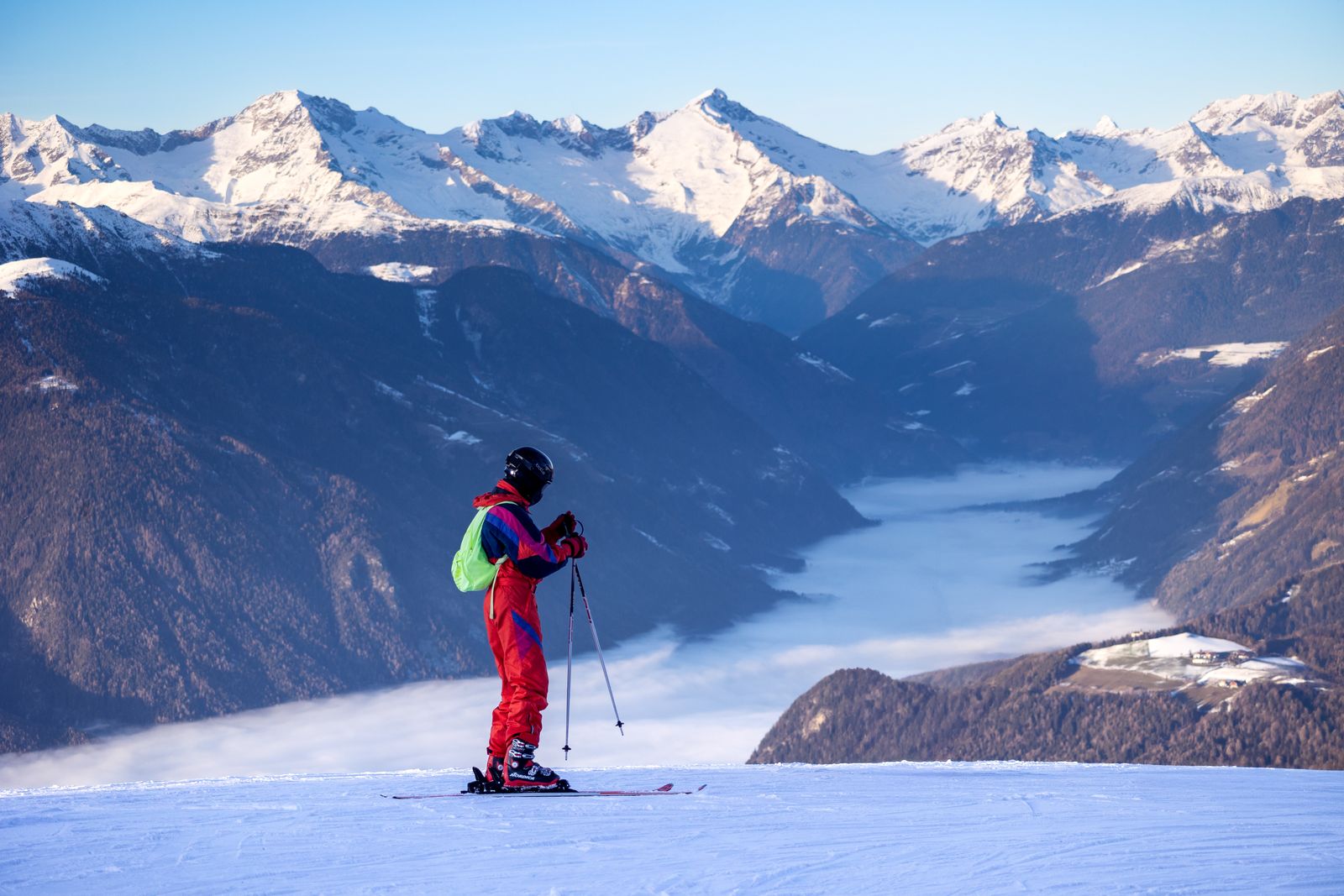
Italy anchored the European travel calendar this year as host of the Winter Olympics. Milan and the alpine slopes of Cortina saw peak demand in February; since then, though, the region has settled back into a more relaxed rhythm. Areas like Sardinia, meanwhile, remain a compelling summer alternative. Similar marquee recommendations are highlighted by experts at National Geographic Best of the World.
- Key Attractions: Olympic venues (now open to the public), alpine ski resorts, and luxury coastal sailing.
- Best Time to Visit: target shoulder seasons for the best balance of weather and value.
2. Spain: Mallorca and the Balearic Islands
Spain remains a dominant force in European tourism, but Mallorca commands special attention this month. The island sits within the path of the August 12 total solar eclipse, now just days away. Visitors heading to the islands can also explore advanced sustainable travel in Mallorca to minimize their environmental footprint during peak season.
- Key Attractions: total solar eclipse viewing, luxury coastal properties, and traditional beach culture.
- Best Time to Visit: this August for the celestial event, or spring and autumn for uncrowded cultural experiences.
3. Mexico: Mexico City and Surrounding Regions
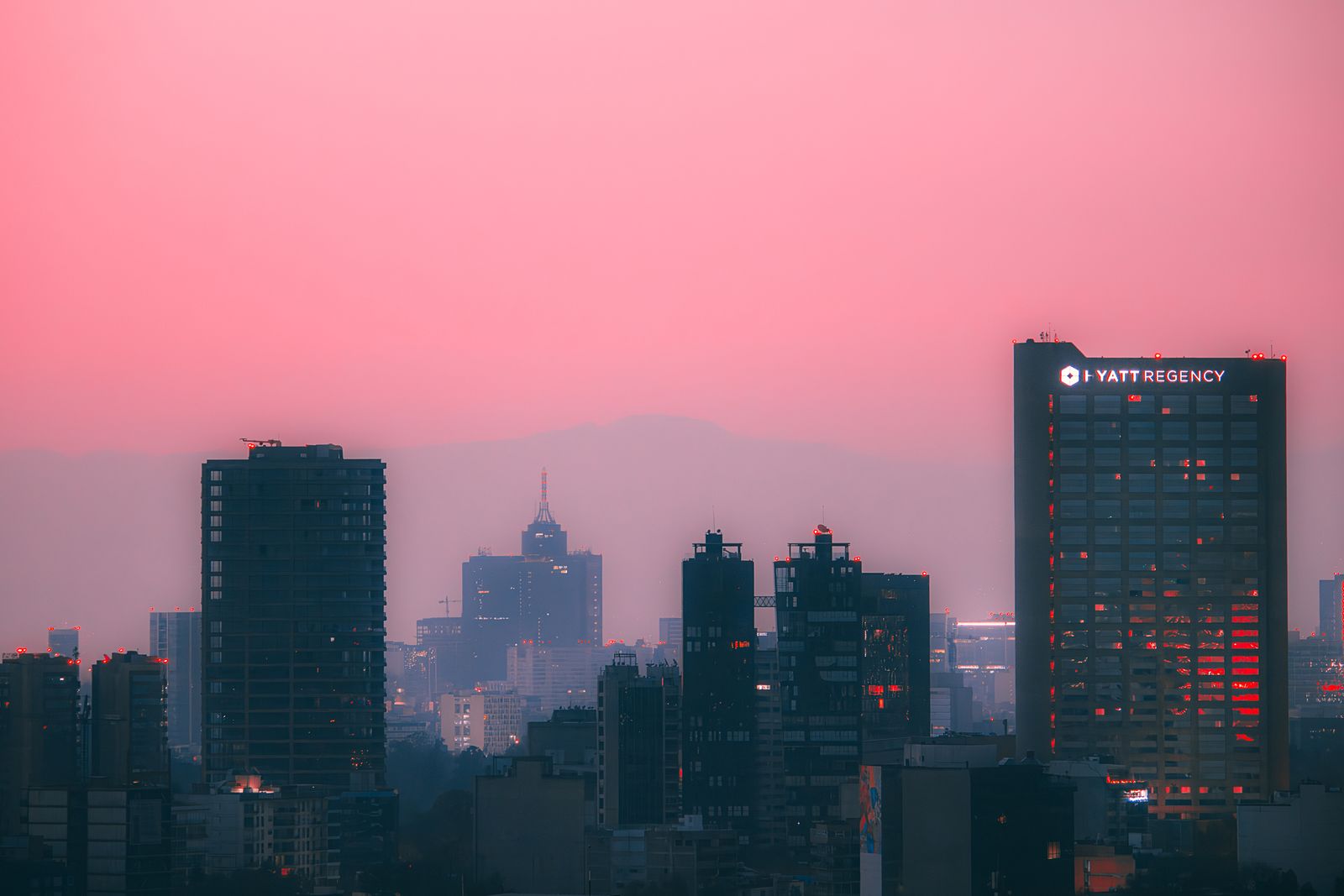
As a primary host of the FIFA World Cup this summer, Mexico spent June and July under intense international focus. Mexico City’s culinary and cultural scene was already a powerhouse in its own right; now, thanks to the tournament, it has gained lasting global visibility. Even so, crowds and prices are easing heading into autumn.
- Key Attractions: World Cup legacy sites, culinary tours, and historical landmarks.
- Best Time to Visit: autumn or spring guarantee a more relaxed environment and better value.
4. Iceland: Western Regions

Western Iceland sits directly in the path of totality for the August 12 solar eclipse, just days from now. That cements its status as one of this year’s premier destinations for nature enthusiasts. It will also be the first total solar eclipse visible from Iceland since 1954.
- Key Attractions: solar eclipse viewing, geothermal springs, and new boutique hotels in Reykjavik.
- Best Time to Visit: August for the eclipse and midnight sun; winter for the Northern Lights.
5. United States: Maine
Coinciding with the America250 celebrations, New England is experiencing a genuine culinary and outdoor renaissance. Maine, in particular, stands out as an exceptional domestic escape.
- Key Attractions: coastal lighthouses, Acadia National Park, and the Portland dining scene.
- Best Time to Visit: peak summer for coastal weather, early autumn for spectacular foliage.
6. Canada: British Columbia and the Canadian Rockies
Canada served as a co-host for the World Cup and offers a spectacular natural alternative to heavily trafficked American national parks.
- Key Attractions: alpine hiking trails, wildlife viewing, and visitor-friendly national park initiatives.
- Best Time to Visit: summer months are optimal for multi-destination road trips across the western provinces.
7. Republic of Georgia: Tbilisi
Georgia is establishing itself firmly on the radar of adventure and culinary travelers. Offering exceptional value, Tbilisi pairs ancient winemaking traditions with a booming contemporary design scene.
- Key Attractions: ancient wine regions, boutique hotels, and Caucasus mountain trekking.
- Best Time to Visit: spring and autumn provide the most comfortable climate.
8. South Korea: Jeju Island
For travelers looking eastward beyond saturated capitals, Jeju Island is a great option. It offers striking volcanic landscapes, a mild maritime climate, and rich cultural heritage.
- Key Attractions: volcanic craters, cherry blossoms, and coastal hiking trails.
- Best Time to Visit: spring for blossoms, autumn for crisp weather ideal for outdoor exploration.
9. Réunion Island
Located in the Indian Ocean, Réunion appeals to travelers seeking dramatic volcanic topography. It also boasts a robust ecotourism infrastructure, without a heavy resort footprint. Its dry, cooler season is underway right now, making this a timely window to visit.
- Key Attractions: high-altitude hiking trails, volcanic peaks, and sustainable ecotourism.
- Best Time to Visit: the dry, cooler winter months of the Southern Hemisphere (roughly May through October) provide the best hiking conditions.
10. Peru
Beyond the iconic ruins of Machu Picchu, Peru’s hospitality sector is maturing rapidly. Sophisticated luxury hotels are opening in historic urban centers. Detailed planning insights are available through publications like The Points Guy Best Places to Go.
- Key Attractions: Machu Picchu, Andean trekking, and Cusco culinary experiences.
- Best Time to Visit: the dry season, which runs May through September, is essential for safe trekking — there’s still a narrow window this year.
11. Portugal: Madeira and Porto Santo
Positioned off the coast of mainland Portugal, Madeira offers dramatic sea cliffs, natural swimming pools, and a strong focus on wellness.
- Key Attractions: subtropical floral displays, sea-cliff trails, and natural swimming pools.
- Best Time to Visit: a reliable year-round destination, with spring offering exceptional floral displays.
12. Indonesia: Raja Ampat and Labuan Bajo
For marine conservation enthusiasts, it’s worth stepping beyond Bali. The eastern archipelago reveals some of the highest marine biodiversity on Earth.
- Key Attractions: scuba diving, marine conservation areas, and liveaboard expeditions.
- Best Time to Visit: the regional dry season ensures calm seas and optimal underwater visibility.
13. United States: Asheville, North Carolina
Having rebounded from recent regional storms, Asheville is shining again. The city is reclaiming its status as an artistic and outdoor hub in the American Southeast.
- Key Attractions: Blue Ridge Parkway, local art galleries, and deep forest hiking.
- Best Time to Visit: mid-summer for hiking, mid-October for peak mountain foliage.
14. The Netherlands: Utrecht

As travelers actively seek out secondary cities to combat overtourism in major capitals, Utrecht stands out as a strong alternative. The city offers historic canals and stunning medieval architecture. Those interested in broader eco-conscious European urban initiatives can also explore ideas on regenerative travel in Amsterdam for urban conservation frameworks. European travel roundups, such as those featured in Telegraph Best Destinations to Visit, routinely highlight these smart, crowd-free alternatives.
- Key Attractions: historic canals, medieval architecture, and vibrant café culture.
- Best Time to Visit: late spring and summer for outdoor canal-side dining.
15. Botswana and Zambia
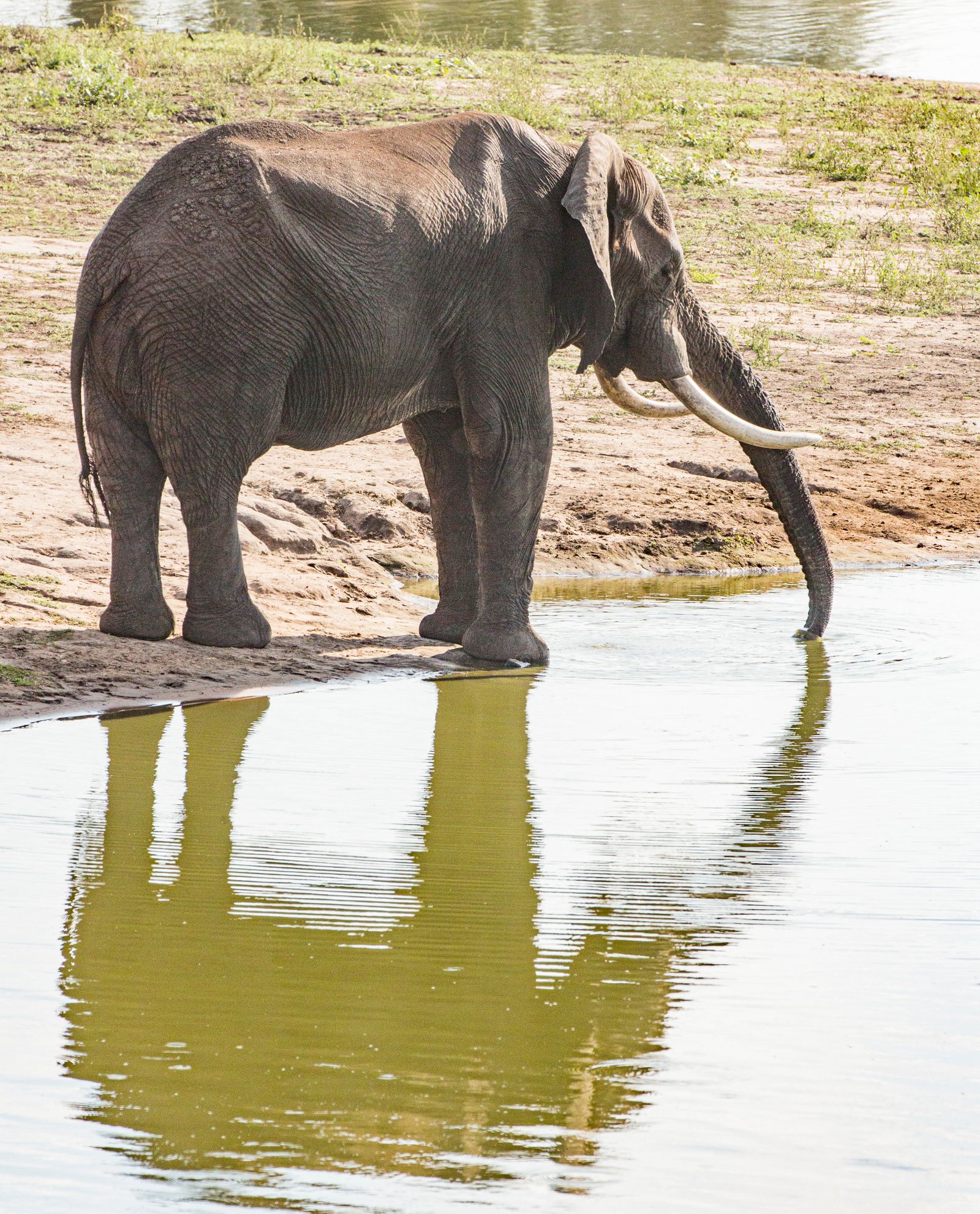
African safari demand continues to rise. Travelers increasingly prioritize low-density, high-conservation wilderness areas, with a focus on sustainable luxury camps.
- Key Attractions: low-impact wildlife safaris, game viewing, and sustainable lodges.
- Best Time to Visit: the dry winter months from May to October concentrate wildlife around water sources — you’re right in this window now.
Strategic Planning for the Year Ahead
Navigating the rest of this year’s 2026 travel planning landscape requires flexibility as much as foresight. Follow these core logistical rules to make the most of what’s left of the year:
- Move Fast on What’s Left: if your plans intersect with the August 12 total solar eclipse in Iceland or Spain, lock in flights and accommodations immediately. Inventory in the path of totality is nearly gone.
- Leverage Shoulder Seasons: shift trips to the weeks just before or after peak season for non-event destinations. This secures softer hotel rates and more authentic local experiences.
- Capitalize on New Openings: track new luxury properties opening this year across emerging regions to combine modern amenities with uncrowded surroundings.
- Prioritize Smart Logistics: use regional secondary cities and emerging alternative corridors. This helps you avoid transportation bottlenecks and overtouristed primary capitals. Additional strategic planning resources are regularly updated via platforms like AFAR Best Places to Travel.
Conclusion: Mastering Your 2026 Itinerary
Successful exploration this year hinges on balancing the fallout from high-impact global events with intentional off-peak timing. By understanding these macroeconomic shifts, and choosing travel destinations 2026 that align with sustainable values, you can design a trip that is both memorable and economically sound. Start planning today to secure the finest accommodations and make the most of what’s left of your 2026 travel budget.
Ready to Plan Your Next Trip?
If the August 12 solar eclipse is on your radar, don’t wait: check availability in Mallorca and Iceland today. Prefer to skip the last-minute scramble? Explore our guides to sustainable travel in Mallorca and regenerative travel in Amsterdam for inspiration on off-season alternatives. Subscribe to our newsletter for price alerts and new destination guides, and tell us in the comments: which of these 15 destinations is topping your list for the rest of 2026?