
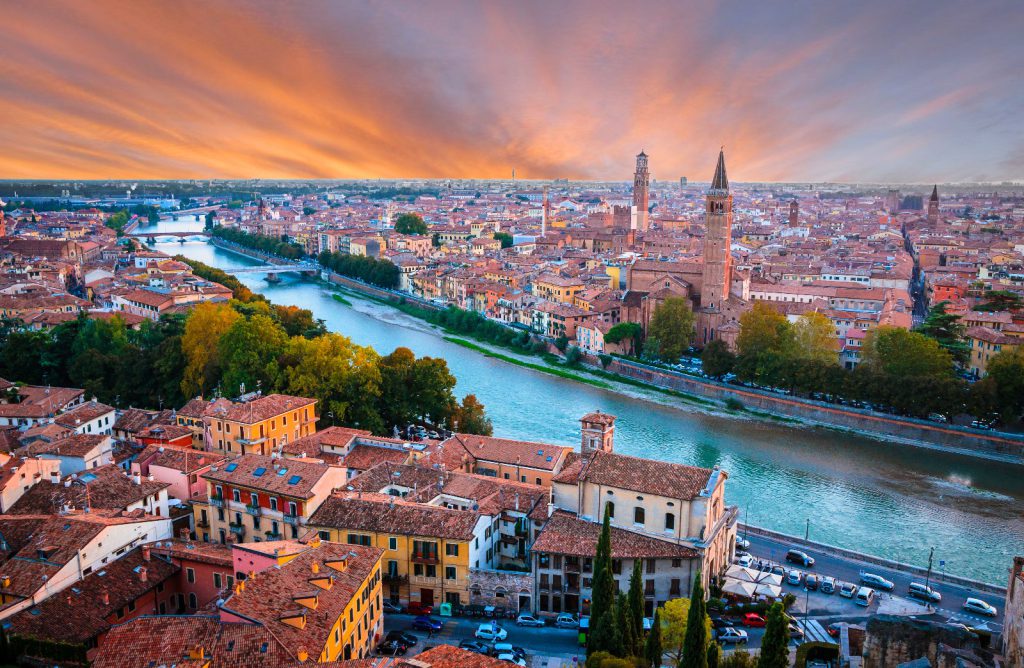
Verona doesn’t need Romeo and Juliet to win you over. The world knows its name through Shakespeare. Yet the city has spent two thousand years building something far more solid. It has a Roman amphitheatre still packed every summer, and a historic centre listed as UNESCO World Heritage. That way of life alone was enough to earn it a spot in the European Best Destinations 2026 ranking, where it lands in 4th place among Europe’s best destinations.
Why 2026 is the perfect moment to visit Verona
Verona has long lived in the shadow of nearby Venice and Florence. Yet that’s precisely its strongest card. European Best Destinations ranks it among the four most desired cities in Europe this year for offering the same density of history without the crowds of bigger capitals. Ancient Roman heritage, Renaissance splendour and the enduring pull of the Arena di Verona sit alongside a thriving wine scene and boutique hotels housed in historic palazzi. On top of that, a new generation of chefs is reimagining northern Italian cuisine.
2026 adds an extra reason: Verona is one of the host regions for the Milan-Cortina 2026 Winter Olympics. As a result, the Veneto region has accelerated investment in sustainable mobility and public transport.
What to see in Verona
The Arena di Verona — the amphitheatre that never stopped being used
Built in the 1st century AD, the Arena is one of the best-preserved Roman amphitheatres in the world. Unlike the Colosseum, it’s still in active use: every summer it hosts an open-air opera season. It can be freely explored by day. That said, go early to beat the heat and the queues.

Piazza delle Erbe and Piazza dei Signori — the Roman heart of the city
Piazza delle Erbe sits on the site of the old Roman forum. It served as the city’s marketplace for centuries, and the colourful awnings and frescoed façades are still there today. At its centre, the Fontana Madonna Verona has presided over the square since 1368, built using recycled material from ancient Roman thermal baths. Just steps away, Piazza dei Signori is more austere and elegant. There, the Palazzo della Ragione and a statue of Dante stand watch over the square with an unmistakably unimpressed expression.

Castelvecchio and Ponte Pietra — medieval Verona on the Adige
The Scaliger castle of Castelvecchio, now a museum, and its fortified bridge are among the few medieval monuments in Italy rebuilt with original stone. That happened after WWII bombing destroyed much of the original structure. Ponte Pietra, meanwhile, offers one of the best sunset views over the river.
Veronetta — the other side of the river
Across the Adige, the university district of Veronetta has an entirely different rhythm from the tourist-heavy centre. Student bars, second-hand bookshops and a street life that only wakes up in the afternoon define the area. In fact, it’s the best place to understand how Verona actually lives when the cameras aren’t around.
Food: sustainable and rooted in the season
Veronese cuisine is honest and seasonal: risotto all’Amarone, tortellini in brodo, and the sweet pandoro Christmas cake, which originated right here. On the fine dining side, the city holds two Michelin-starred restaurants. Il Desco is a longstanding reference for contemporary Veneto cuisine. Iris Ristorante, meanwhile, is housed in Palazzo Soave and puts explicit focus on sustainability and local sourcing.
For something more everyday, Piazza delle Erbe still functions as a marketplace, with fruit, cheese and cured meat stalls right in the historic centre. As a result, eating seasonally doesn’t require leaving the old town.
Getting around Verona sustainably
- Arrive by train: Verona is just over an hour from Milan and Venice by train, and about ninety minutes from Bologna. Porta Nuova station connects directly to the historic centre on foot.
- Verona Bike: the city’s bike-sharing system covers the centre and surrounding areas. It’s also integrated with ATV city buses under a single ticket.
- Walk whenever you can: the historic centre is compact. In fact, virtually all major sights sit within twenty minutes of each other on foot.
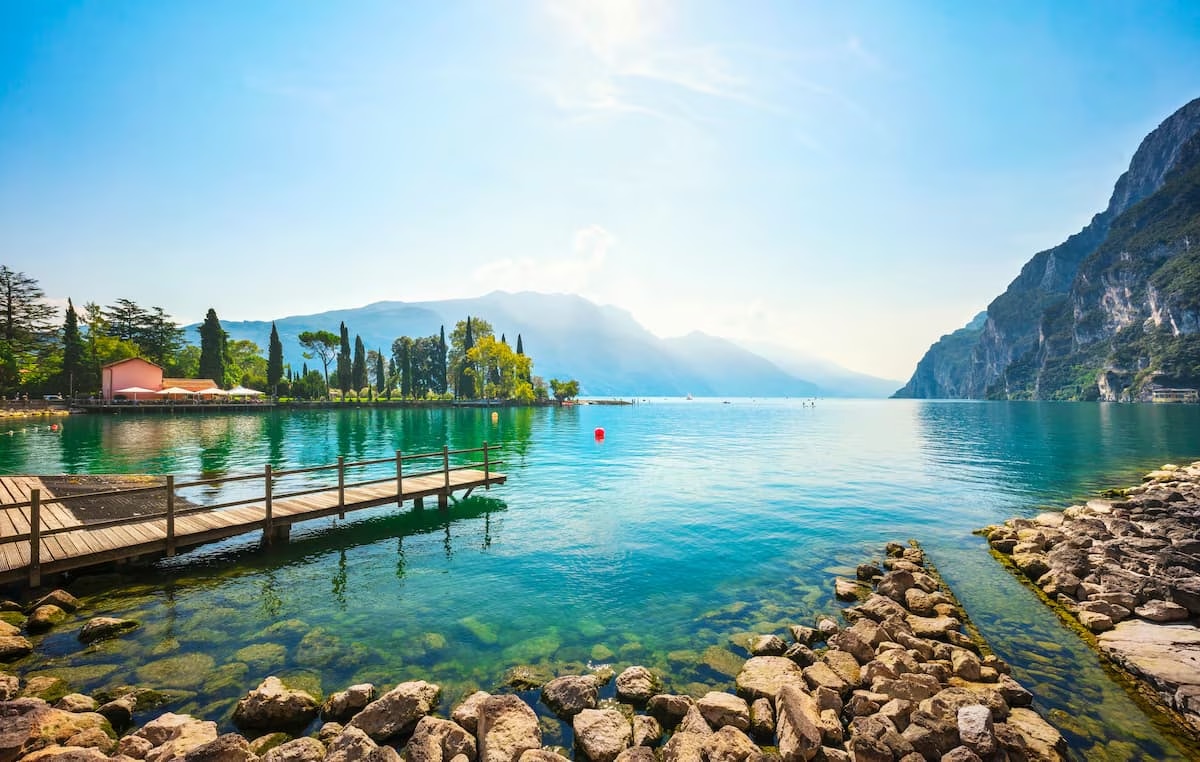
- Lake Garda without a car: reachable by regional bus or train from Verona. That way, you skip the rental car for the day trip.

Where to stay in Verona
- Centro storico: the most convenient base, walking distance from the Arena, Piazza delle Erbe and Juliet’s House. It’s touristy, but hard to beat for a first visit.
- Veronetta: university vibe, more affordable rates and a far more authentic local feel, just ten minutes on foot across the Ponte Pietra.
- Valpolicella / Lake Garda: ideal for pairing the city with nature and vineyards. Basing yourself in the region makes Verona an easy day trip.
At this world to book you’ll find a curated selection of certified sustainable hotels. That way, your stay in Verona lives up to your values too.
Before you go: 5 practical tips
- Best time to visit: spring and autumn, with mild weather and none of summer’s crowds. On top of that, it’s peak opera season at the Arena.
- Arrive by train, not by car: the historic centre has traffic restrictions (ZTL) and parking is expensive. As a result, the train is the most practical option — it drops you right at the edge of the old town.
- Verona Card: if you’re visiting several sights (Arena, Juliet’s House, Castelvecchio), the tourist card pays for itself. It also includes public transport.
- Book opera nights ahead: season performances at the Arena sell out weeks in advance.
- Save a day for Valpolicella: even with just 48 hours in Verona, it’s worth carving out half a day for the vineyards. In fact, they’re closer than you’d think.
Verona doesn’t compete with Romeo and Juliet. It’s outgrown them
Verona’s 4th place in European Best Destinations 2026 confirms what regular visitors have known for a while. This city doesn’t need Shakespeare’s legend to justify the trip. It has a Roman amphitheatre still in use, UNESCO heritage, and one of Italy’s finest wine regions a bike ride away. Therefore, the question isn’t whether it’s worth visiting — it’s how long you’ll want to stay.
Ready to experience Verona with a positive impact?
At this world to book you’ll find certified sustainable hotels and personalised guidance so every night in Verona also counts for something.
Published in Destinations · This World To Book — Certified sustainable travel agency · Travel good. Do good.