
Where you stay in Rome sets the rhythm of the entire trip. A quiet sanctuary near the Spanish Steps feels nothing like a design-forward boutique tucked into the cobbled lanes of Monti. And neither feels anything like a bohemian stay across the river in Trastevere.
This guide breaks down Rome’s best hotels for 2026 across three tiers: luxury, mid-range, and budget. Each pick comes paired with the neighborhood context you need to actually match the hotel to your travel style. For further expert curation, U.S. News & World Report’s Rome hotel rankings are worth a look too. And if you’re planning a wider European itinerary, our booking FAQ covers common questions on strategy and logistics.
Best Luxury Hotels in Rome (€500–€2,000+/night)
Hotel de Russie (Rocco Forte) — Flaminio & Spanish Steps
Overall, the Hotel de Russie delivers a true urban retreat. Set between the Spanish Steps and Piazza del Popolo, its defining feature is a terraced secret garden that feels miles from the city’s chaos. The Stravinskij Bar is a staple for evening aperitivo. Service stays consistently refined. It’s an ideal pick for couples and design lovers who want to be central without the foot-traffic overwhelm.
Hassler Roma — Top of the Spanish Steps (Centro Storico)
Perched directly above the Spanish Steps, the Hassler is, in fact, an iconic, family-run grande dame. It offers classic Roman glamour, panoramic rooftop views from its famous terrace, and Michelin-starred dining at Imàgo. First-timers who want to step straight into the historic heart of the city will find this the prime address.
Bvlgari Hotel Roma — Campo Marzio & Piazza Augusto Imperatore
Notably, one of Rome’s most striking recent openings, the Bvlgari, brings sleek modernist luxury into a restored historic building. Beyond the design, it features an exceptional spa and effortless walkability to the Pantheon, Via del Corso, and the Spanish Steps. It suits travelers after contemporary Italian elegance rather than traditional antique decor.
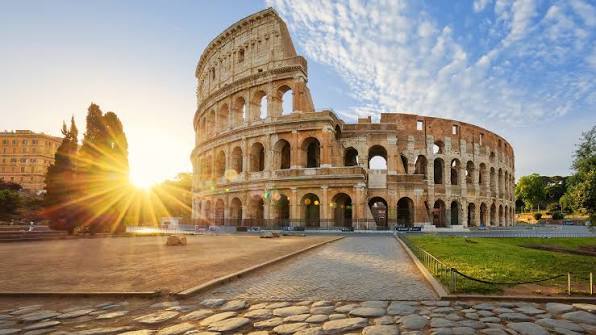
Palazzo Manfredi — Celio & Colosseum Area
For starters, ancient history is the main selling point here. Located right by the archaeological zone, select rooms and the top-floor terrace restaurant offer direct, dramatic views of the Colosseum. If waking up to the ruins of the Flavian Amphitheater is a priority, this is where you want to be.
Best Mid-Range Hotels in Rome (€150–€400/night)
J.K. Place Roma — Centro Storico & Piazza del Popolo
In particular, J.K. Place bridges the gap between boutique intimacy and luxury amenities. With sharp interior design, attentive service, and a prime central location, it consistently ranks among the city’s best boutique properties. You get the character of a small hotel without the footprint of a mega-resort.
Donna Camilla Savelli — Trastevere Neighborhood
Housed in a converted 17th-century baroque monastery designed by Borromini, this hotel, in short, offers a genuinely unique historic atmosphere. It features a quiet courtyard garden and a rooftop terrace overlooking the city. Trastevere itself gives you local trattorias, cobblestone lanes, and lively evening energy, all a short walk from the historic center.
Hotel Dei Mellini — Prati District
Located near Castel Sant’Angelo and the Vatican, Prati, in contrast, offers a quieter, more residential vibe than the bustling Centro Storico. Hotel Dei Mellini provides modern four-star comfort, good access to shopping on Via Cola di Rienzo, and solid overall value. It’s a strong base for families or anyone prioritizing a calmer neighborhood.
Casa Monti & The Fifteen Keys Hotel — Monti District
Overall, Monti is a trendy, hyper-local neighborhood wedged between the Colosseum and the historic center. Both Casa Monti and The Fifteen Keys offer design-forward boutique stays surrounded by independent wine bars, artisan shops, and local residents. The area feels far less touristy than the city’s core, while staying entirely walkable.
Best Budget & Value Hotels in Rome (€70–€180/night)
Hotel Lancelot & Nerva Boutique Hotel — Near Colosseum & Monti
For starters, if you want a reliable, well-reviewed stay close to ancient sites without luxury rates, these properties hit the mark. They offer friendly hospitality, clean accommodations, and strong metro connections. Both have built a loyal base of repeat guests, thanks to consistent service and genuinely practical locations.
Generator Rome & Mama Shelter Rome — Esquilino & Termini Station
Indeed, modern design hostels and hybrid boutique stays have transformed the budget category. Generator and Mama Shelter offer stylish interiors, lively communal areas, and central transport links near Termini station. They work well as practical, visually appealing bases for budget-conscious travelers and digital nomads. For more curated picks in this range, Oyster’s Rome hotel selection and AFAR’s Rome recommendations are both worth a browse.
A Note on Sustainability in Rome’s Hotel Scene
That said, none of the properties above are marketed as certified-sustainable. That’s typical for this segment in Rome. Flagship luxury and boutique hotels rarely pursue formal environmental certification, since scale and heritage-building constraints make it harder to qualify.
That said, if certification specifically matters to your trip, Rome does have real alternatives. 47 Boutique Hotel carries Green Globe certification, a recognized international standard. Rome Life Hotel is certified under Legambiente Turismo, Italy’s national ecolabel for tourism. Both prove certified and comfortable aren’t mutually exclusive in this city. Our Certifications series breaks down what these labels actually verify, so you can judge a claim instead of taking it on faith.
Rome Neighborhood Guide: Where to Stay
- Centro Storico (Pantheon, Piazza Navona, Trevi, Spanish Steps): the most walkable area for first-timers, though expect peak tourist energy and the highest prices.
- Trastevere: atmospheric, food-focused, and lively at night. A more traditional Roman feel, just across the Tiber.
- Monti: hip, local, and centrally located. A great balance between sightseeing convenience and neighborhood charm.
- Prati: quieter, orderly, and residential. Ideal for frequent Vatican visits or modern amenities at local pricing.
- Colosseum / Termini: highly practical for transit and ancient monuments, though certain pockets feel busy and commercial.
Practical Hotel Booking Tips for Rome
- Compare channels: always check both OTAs and the hotel’s direct site to compare total costs, including local city taxes and resort fees.
- Prioritize flexibility: look for free cancellation whenever possible, since travel plans can shift.
- Watch the details: read recent reviews specifically for notes on street noise or ongoing building renovations. The Times and Jet Me Away’s 2026 hotel insights both offer good expert analysis on emerging spots.
- Book early: Rome sees heavy seasonal demand. For peak spring and autumn travel, lock in your stay two to three months ahead.
The Bottom Line
In the end, Rome rewards travelers who match the neighborhood to the trip, not just the hotel to the budget. Centro Storico buys you walkability at a premium. Trastevere and Monti trade a few minutes of transit for real local character. Prati offers calm and value in equal measure.
Whichever tier or neighborhood you land on, if a verified sustainability certification matters to your decision, it’s worth the five-minute check outlined above. Explore more destination guides on the blog, or browse certified sustainable hotels for your next trip.