
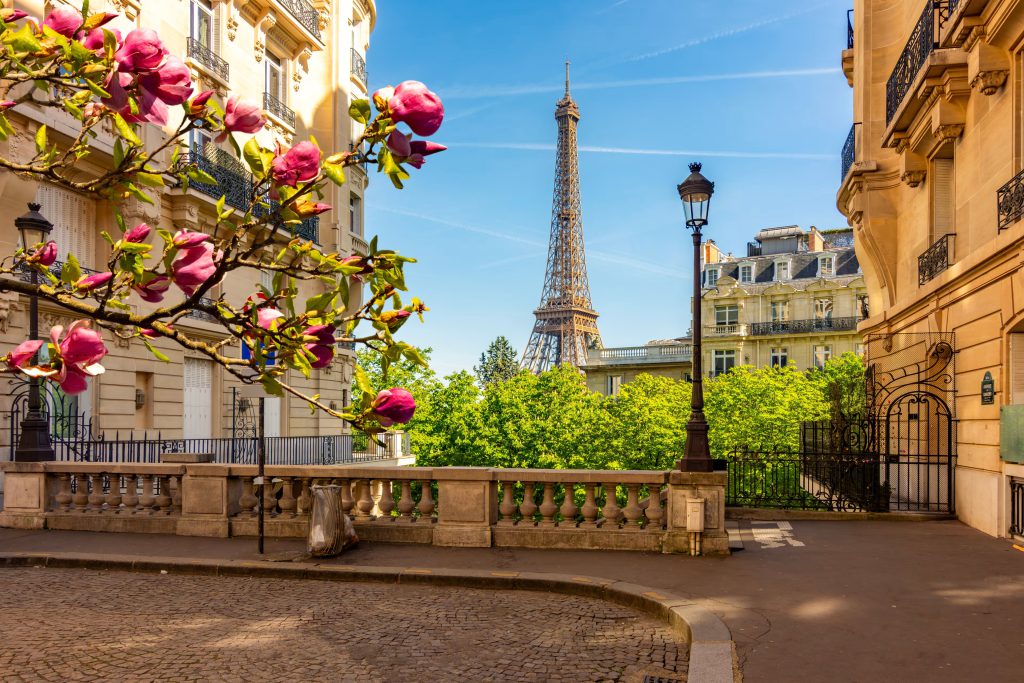
Paris does not need an introduction, but it deserves to be seen with fresh eyes. In the European Best Destinations 2026 ranking, based on more than 1.3 million votes from travellers in 154 countries, the City of Light finished in fifth place. It ranked behind Madrid, Nicosia, Štajerska and Verona.
However, what makes Paris in 2026 especially interesting is not simply that the city remains beautiful. That has never been in doubt. What matters is how the experience of visiting Paris is changing: more pedestrian areas, an expanding cycling culture, extensive public transport and a growing focus on responsible food and accommodation.
This sustainable Paris travel guide covers what to see in Paris in 2026, how to avoid unnecessary stress, where to stay and how to explore the city with a lighter environmental footprint.
Why 2026 is a good year to visit Paris
Paris placed fifth among the best European destinations for 2026. The ranking highlighted the city’s combination of culture, heritage, gastronomy, design and urban innovation.
Several developments also make 2026 an important year for the French capital. Notre-Dame Cathedral reopened to worship and visitors in December 2024 following five years of restoration. Its towers reopened in September 2025 with a redesigned visitor route and panoramic views across the city.
Meanwhile, work continues on the Grand Paris Express, a major expansion of the regional transport network. The first section of Metro Line 18, between Massy-Palaiseau and the Saclay area, is expected to begin operating later in 2026.
Paris and Saint-Denis will also host the 2026 European Aquatics Championships from 31 July to 16 August. Open-water swimming events will take place in the Seine, around Île aux Cygnes, from 4 to 8 August.
If Paris has been on your travel list, 2026 offers several reasons to go. Our complete Paris travel guide can also help you plan the wider trip.
What to see in Paris in 2026
The Louvre and the cultural corridor along the Seine
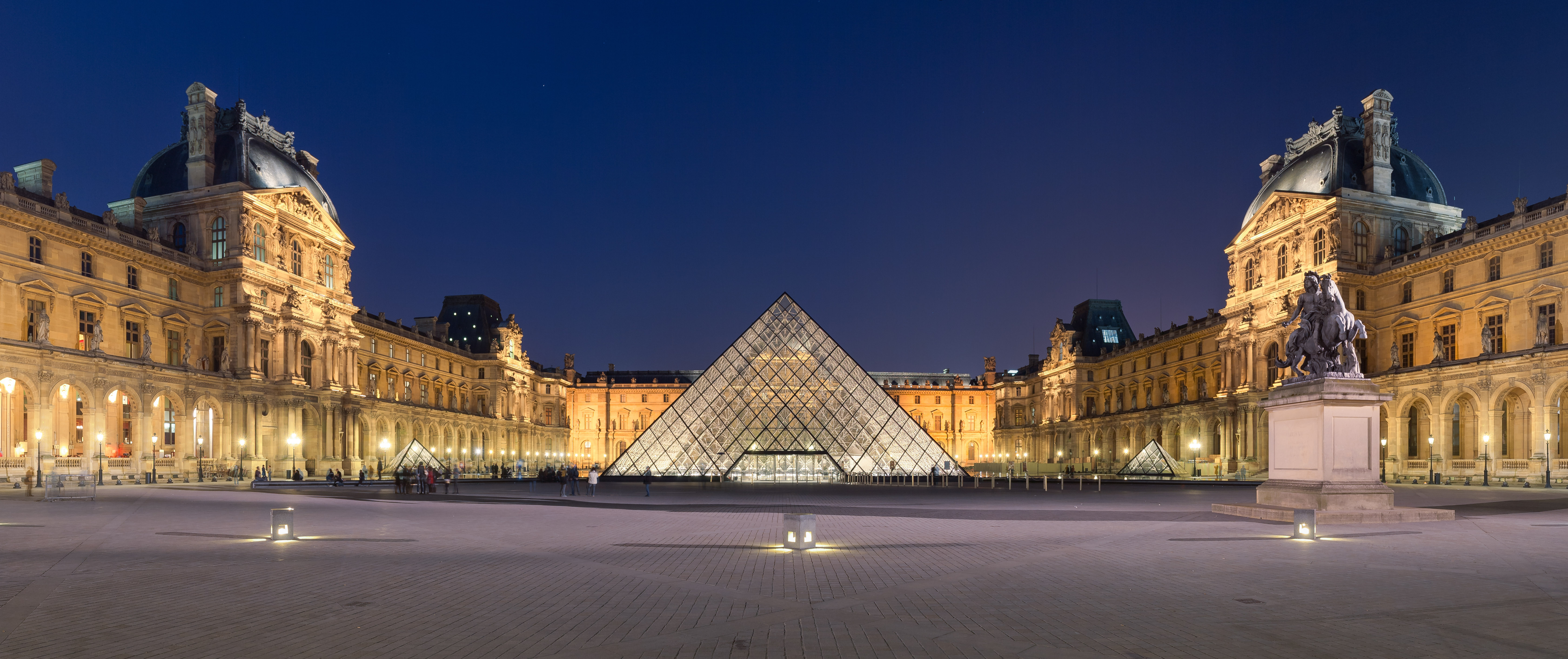
The banks of the Seine have formed part of a UNESCO World Heritage Site since 1991. Within a relatively short stretch of the river, you can visit the Louvre Museum, the Musée d’Orsay and the Musée de l’Orangerie.
The Mona Lisa attracts much of the attention at the Louvre. However, the museum contains thousands of works across several wings and floors. Rather than trying to see everything in one visit, choose two or three collections that genuinely interest you.
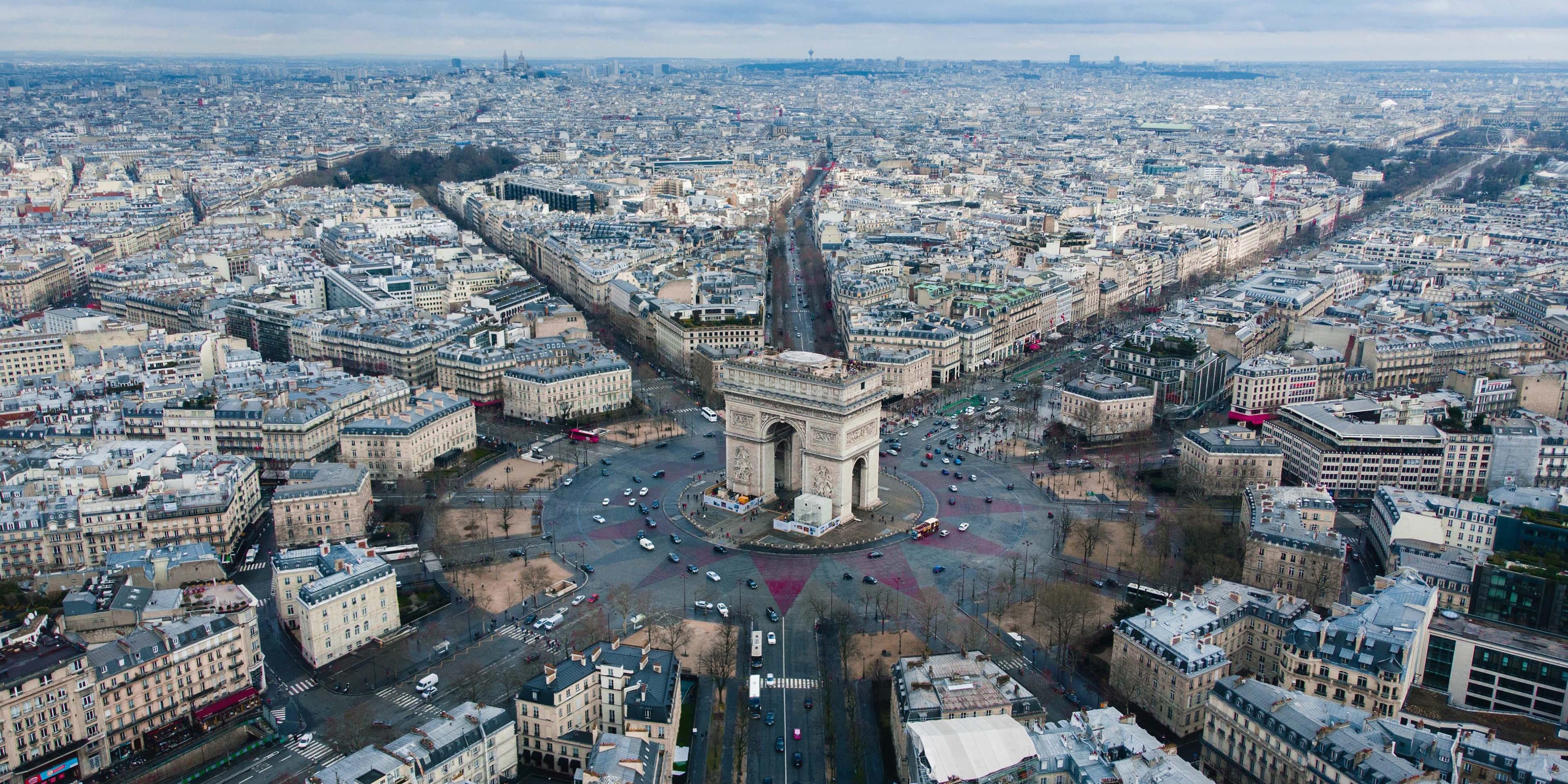
The Champs-Élysées and Arc de Triomphe without the usual traffic
The Champs-Élysées is normally reserved for pedestrians on the first Sunday of each month, although the schedule can change because of major events, construction work or security measures.
The initiative forms part of Paris Respire, which temporarily restricts traffic in several neighbourhoods on Sundays and public holidays. It provides a quieter opportunity to walk towards the Arc de Triomphe and photograph the avenue without its normal level of traffic.

Notre-Dame and the Île de la Cité
Notre-Dame de Paris reopened in December 2024 after an extensive restoration. Visitors can once again enter the cathedral and see its restored stonework, stained glass and interior.
The cathedral itself can be visited free of charge, although reserving a complimentary time slot can make access easier during busy periods. The towers require a separate paid ticket and involve climbing more than 400 steps.
After visiting the cathedral, explore the rest of the Île de la Cité, including Sainte-Chapelle, the Conciergerie, Place Dauphine and the quieter paths beside the Seine.
Montmartre and its quieter streets
Walking up to the Sacré-Cœur remains one of the classic Paris experiences. However, Montmartre becomes more rewarding when you move away from the crowded Place du Tertre.
The surrounding streets contain small squares, independent cafés, historic houses and the city’s best-known urban vineyard. Visit early in the morning or towards the end of the day for a calmer experience.
A day at Disneyland Paris by train
If you are travelling with children, or simply want a nostalgic day out, Disneyland Paris is connected to central Paris by the RER A. The journey normally takes around 40 minutes and ends at Marne-la-Vallée–Chessy station.
Using the train removes the need to hire a car or arrange a private transfer. Set aside a full day if you plan to visit one or both parks.

Parks and gardens for a break from the city
Paris is often imagined as a city made entirely of stone. In reality, it contains hundreds of parks, gardens, tree-lined walks and community green spaces.
The capital also has two large woodland areas. The Bois de Vincennes lies to the east, while the Bois de Boulogne is located to the west. Both can be reached by public transport and provide space for walking, cycling, rowing and picnics.
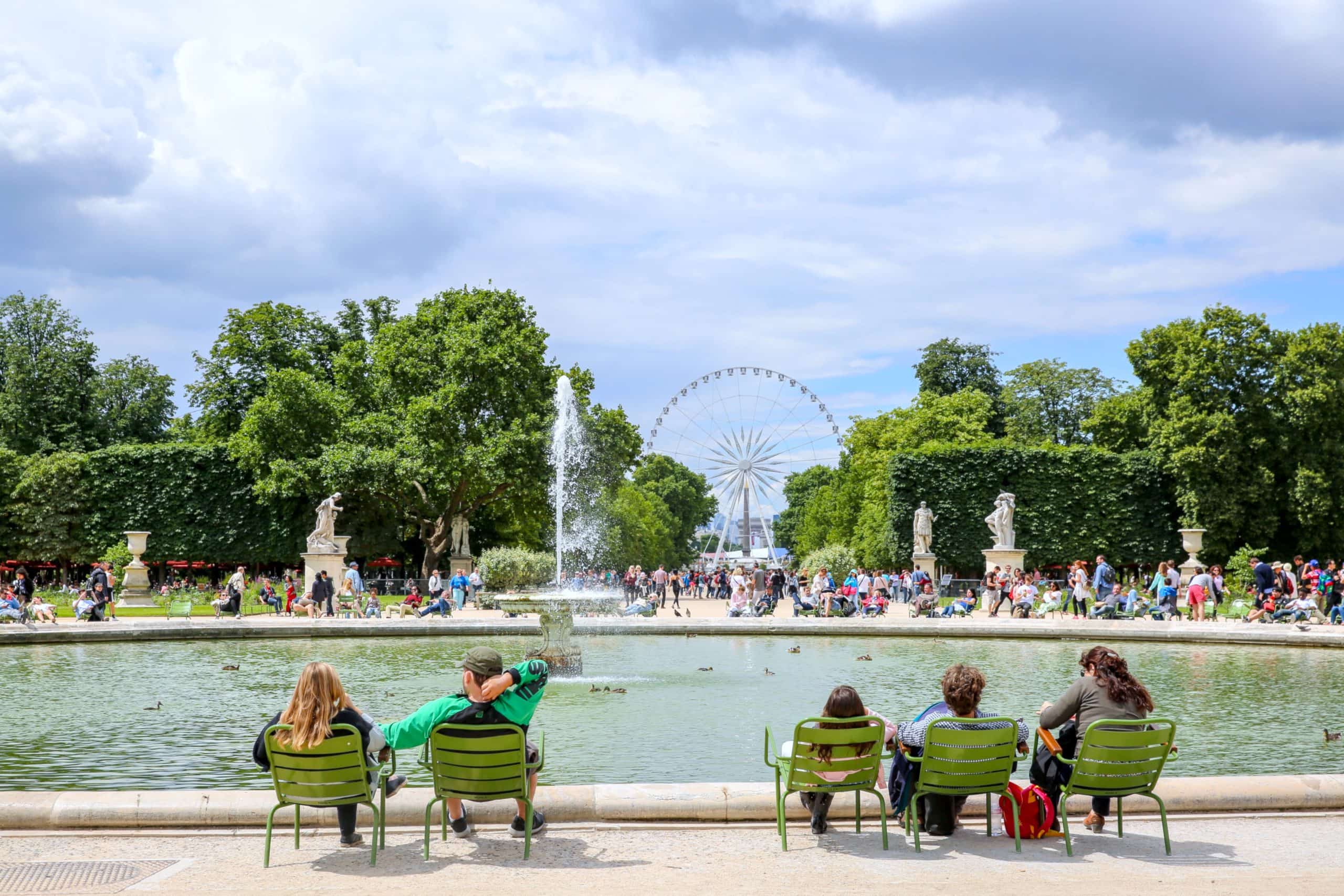
In the centre, the Tuileries Garden connects the Louvre with Place de la Concorde. Its paths, fountains, sculptures and seating areas make it a useful place to pause between museum visits.
Local and sustainable food in Paris
Parisian restaurants are increasingly paying attention to seasonal ingredients, direct relationships with producers, food waste, plant-based menus and responsible sourcing.
The MICHELIN Guide France 2026 includes several Paris restaurants known for incorporating these ideas into their menus and operations. They include La Borie in the 15th arrondissement and Datil in the 3rd arrondissement.
Other recognised names include Table by Bruno Verjus and Anona by Thibaut Spiwack. However, sustainable dining in Paris is not limited to fine dining. Neighbourhood bistros, bakeries and markets can also provide seasonal and locally sourced food at more accessible prices.

Consider visiting some of the city’s organic and historic markets:
- Marché biologique Raspail, in the 6th arrondissement, takes place on Sundays and specialises in organic produce.
- Marché biologique des Batignolles, in the 17th arrondissement, is held on Saturdays and brings together organic producers and food sellers.
- Marché des Enfants Rouges, in the 3rd arrondissement, is Paris’s oldest covered market and contains stalls serving food from several culinary traditions.
How to get around Paris sustainably
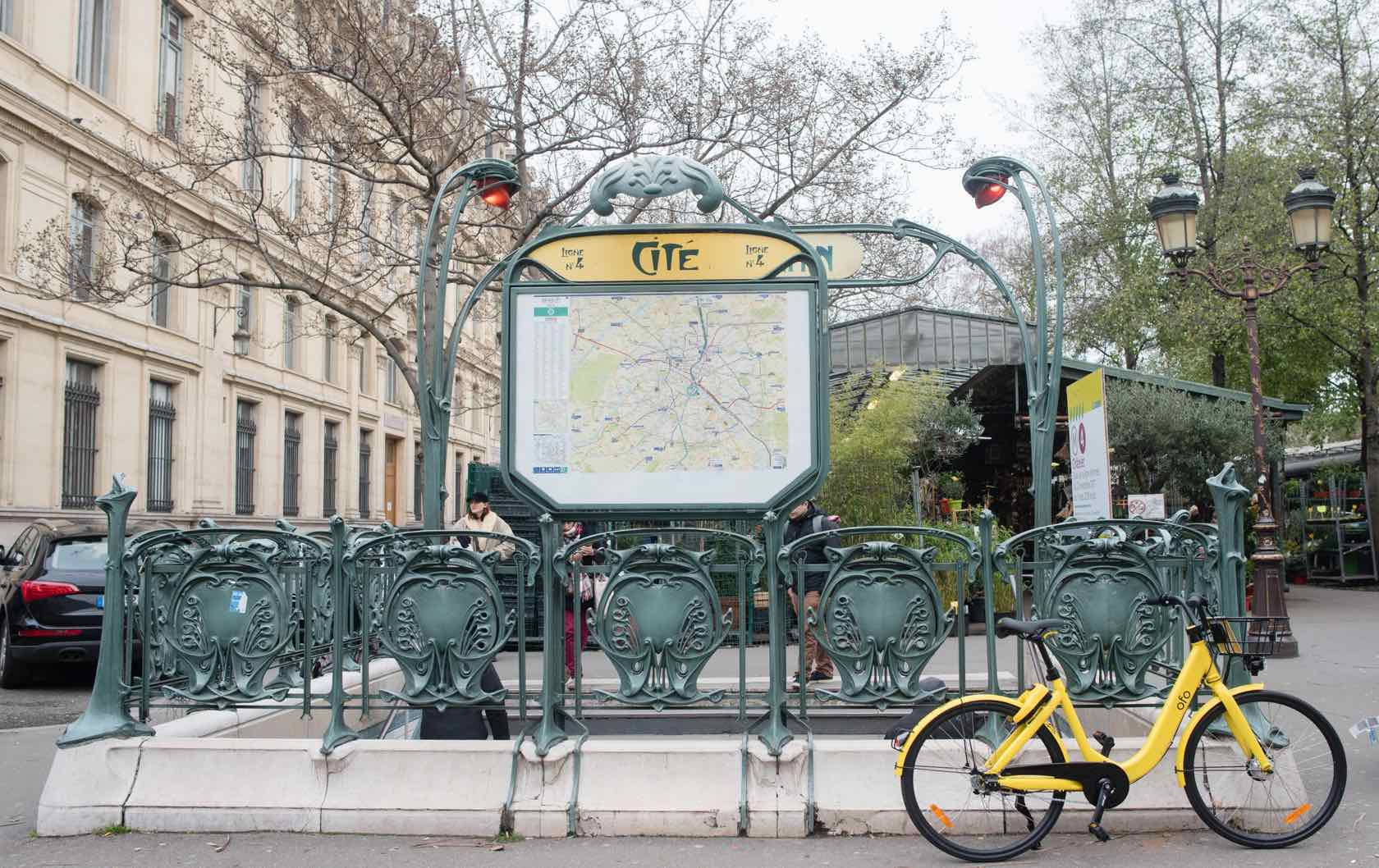
- Vélib’ Métropole: the public bicycle network has around 1,500 stations across Paris and surrounding municipalities. Use the app to check the availability of bicycles and empty docking spaces before travelling.
- Walking: many major sights are closer together than they appear on the metro map. Walking also makes it easier to discover smaller streets, independent shops and local cafés.
- Metro and RER: the 16 metro lines cover most of central Paris. The RER connects the centre with airports, Versailles, Disneyland Paris and other areas across Île-de-France.
- Grand Paris Express: the new regional metro network will open gradually. The first section of Line 18 is expected to begin service later in 2026.
- Paris Respire: several neighbourhoods restrict motor traffic on Sundays and public holidays. Check the official schedule before planning your route.
Where to stay in Paris
- Le Marais, 3rd and 4th arrondissements: a central area with historic buildings, museums, restaurants and independent shops.
- Canal Saint-Martin, 10th arrondissement: a relaxed neighbourhood with cafés, waterside walks and convenient connections to the centre.
- Latin Quarter and Saint-Germain, 5th and 6th arrondissements: suitable for travellers interested in bookshops, universities, cultural sites and proximity to Notre-Dame.
- Montmartre, 18th arrondissement: a neighbourhood with panoramic views, steep streets and a distinct village atmosphere.
- Bastille and the 11th arrondissement: a useful base for contemporary restaurants, markets, nightlife and a more residential side of Paris.
At this world to book, you can explore a curated selection of certified sustainable hotels in Paris. This allows you to choose accommodation whose environmental and social practices have been assessed against verifiable standards.
Five practical tips before visiting Paris
- Choose your season carefully: April, May, June, September and early October often offer comfortable weather. However, the major attractions can remain busy throughout the year.
- Travelling from Charles de Gaulle Airport: in 2026, the RER B remains the main rail connection between the airport and central Paris. The CDG Express is not yet operating and is scheduled to enter service on 28 March 2027.
- Reserve major attractions: timed entry may be required or strongly recommended at the Louvre during busy periods. Notre-Dame also offers free reservations through its official website.
- Check free museum conditions: the Louvre offers free entry on the first Friday of each month after 6pm, except in July and August. Other museums have different dates, age limits and booking requirements.
- Review the Paris Respire schedule: traffic restrictions may change because of construction, demonstrations, public holidays or special events.
Paris in 2026: a city to rediscover slowly
Paris still has its famous bridges, museums, boulevards, monuments and historic cafés. However, the way travellers experience the city continues to evolve.
You can now complete much of your journey using public transport, walking and bicycles. You can also visit temporarily traffic-free neighbourhoods and choose restaurants or hotels whose sustainability commitments have been independently assessed.
More than 1.3 million votes placed Paris among Europe’s five leading destinations for 2026. You do not need to see the entire city in one trip. In fact, choosing fewer attractions, spending longer in each neighbourhood and leaving space for unplanned discoveries can reduce both the stress and environmental impact of your visit.
Ready to experience Paris with a more positive impact?
At this world to book, you will find certified sustainable hotels and personalised guidance for planning a responsible and less stressful stay.
Published in Destinations · this world to book — Sustainable travel agency · Travel good. Do good.