

World Tourism Day falls on 27 September. Two days earlier, the GSTC co-hosts its sixth Sustainable Tourism Forum in Lazise, Italy, under the theme “From Sustainability to Regenerative Tourism”. It’s a good moment to revisit something the travel press largely let slide.
On 23 June, TIME and data firm Statista published their ranking of the most sustainable companies 2026. Two Spanish travel companies made the list in notable positions. That raises a more useful question than the ranking itself: what exactly is a list like this measuring?
What happened: 750 companies and 20+ indicators
This is the third edition. TIME and Statista started from more than 5,800 companies across 43 countries and 20 industries. They then applied a four-stage funnel to arrive at 750.
Stage one is pure exclusion. Companies tied to fossil fuels, deforestation or serious environmental scandals are automatically ruled out. To do this, the analysts screen against negative lists including the Forest 500 report, Carbon Majors and the PERI top polluter indexes.
Survivors are then scored out of 100 across more than twenty indicators. These include the quality and assurance of ESG reporting, alignment with standards like GRI, ISSB and ESRS, SBTi-validated climate targets, emissions, water use and workforce metrics.

Two names from Spanish travel
At the top, Schneider Electric holds first place for a third consecutive year. Japan’s NRI and Italian luxury house Moncler follow. For tourism, however, the name that matters is Aena at number 9 globally. It’s the Spanish airport operator’s first entry into the worldwide top 10. Meliá Hotels International also appears for a third year running.
Why it matters: the ranking rewards transparency, not the trip
Here’s the nuance worth holding onto. The methodology scores disclosure, governance and verifiable commitments. In other words, it works as a thermometer for the quality of corporate reporting. It does not measure the environmental impact of the specific stay you book.
For example, a hotel group can score well for auditing and publishing its global data properly. Meanwhile, actual performance varies considerably between individual properties. Something similar applies to an airport operator. Its operational footprint covers terminal energy, ground fleet and waste. Aviation emissions, however, come overwhelmingly from the airlines’ flights.
Still, European regulation is pushing
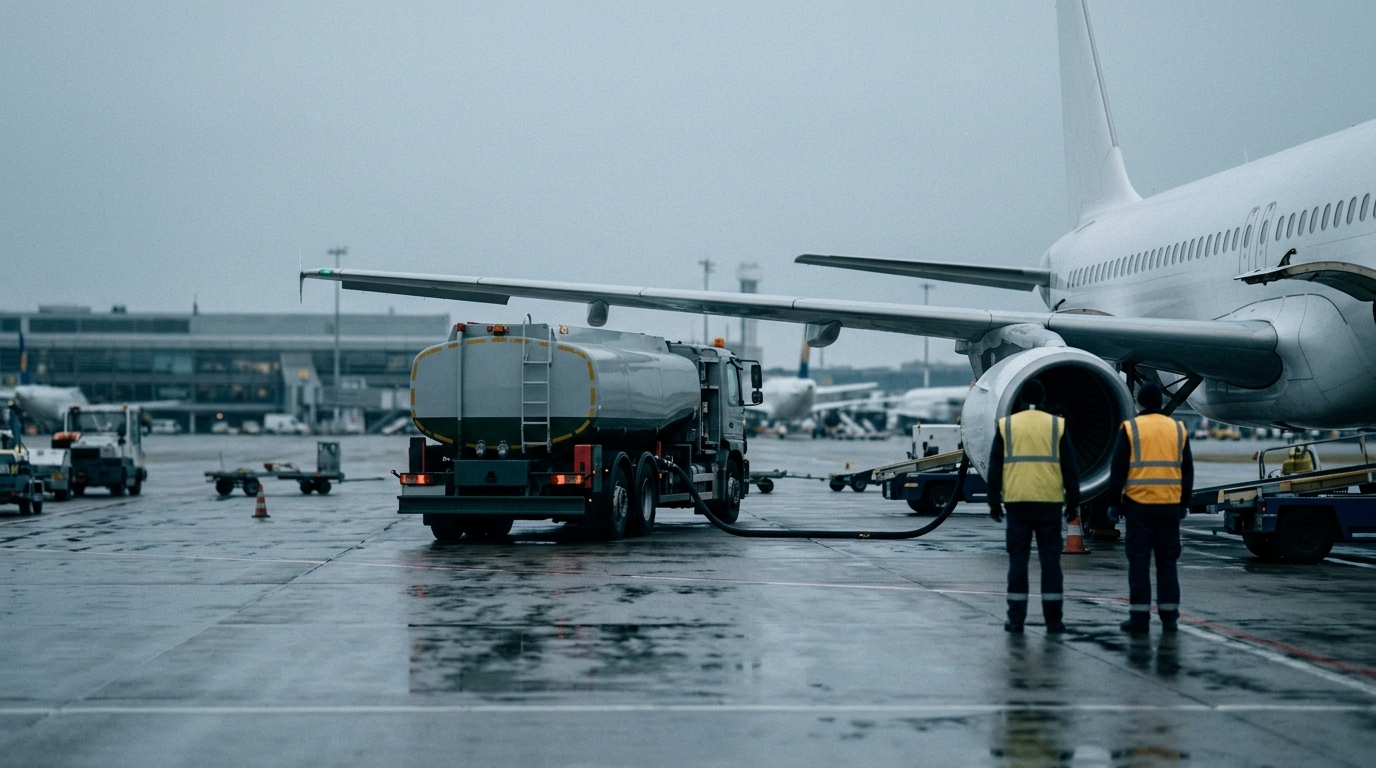
That said, the ranking does capture something real. The ReFuelEU Aviation initiative requires that at least 2% of fuel supplied at EU airports be Sustainable Aviation Fuel (SAF). As a result, operators like Aena have built incentives to speed up uptake.
In addition, the EU’s Carbon Border Adjustment Mechanism (CBAM) took effect at the start of 2026. Since then it has sharpened multinational interest in their own disclosure data.
Kaya Axelsson, a climate policy researcher at Oxford University, puts it this way in the TIME piece. The next phase of corporate climate action is less about setting targets and more about changing systems. Translated into travel: the list is a starting point for asking better questions. It is not a “sustainable trip” label.
In brief
- Meliá, three years running. The Mallorcan chain returns to the TIME and Statista ranking. In addition, it was named Europe’s most sustainable hotel company in the S&P Global Sustainability Yearbook 2026.
- Aena stacks up the credentials. Its top-10 entry rests on its 2021-2030 Sustainability Strategy and Climate Action Plan. It also features in Europe’s Climate Leaders and the S&P Global Sustainability Yearbook 2026.
- Lazise, 25 September. The sixth Sustainable Tourism Forum is run by the Comune di Lazise and Destination Verona Garda, alongside the GSTC Italy Working Group. The central theme is the shift from sustainable to regenerative tourism.

💡 Tip: how to use a corporate ranking without buying the headline
A place on an ESG list is a starting signal. It is not a certificate for your trip. Three checks before you book:
- Drop from the group to the property. Ask whether that specific hotel holds a recognised certification. A parent company in a ranking is not enough.
- Look for validated targets, not adjectives. Check whether the company publishes SBTi-verified targets and reports to CDP. If all you find is adjectives — “committed”, “responsible” — with no figures or external assurance, that tells you something.
- Start with your transport. On most trips, getting there weighs more than where you sleep. Fewer legs, more nights per destination and rail where the distance allows: that moves the needle further than any list.
Want to know what sits behind the labels on a hotel listing? We unpack it in our series on sustainability certifications.
Travel on evidence, not slogans
At this world to book we design trips on exactly this logic. First we ask for verifiable data. Then we accept the label, or we don’t. If you’d like to plan a trip with suppliers vetted one by one, tell us what you have in mind.
— the this world to book team
Sources: TIME & Statista, “World’s Most Sustainable Companies 2026” and accompanying methodology (23 June 2026); Aena; Meliá Hotels International; Global Sustainable Tourism Council (GSTC); European Commission (ReFuelEU Aviation, CBAM); CDP.