
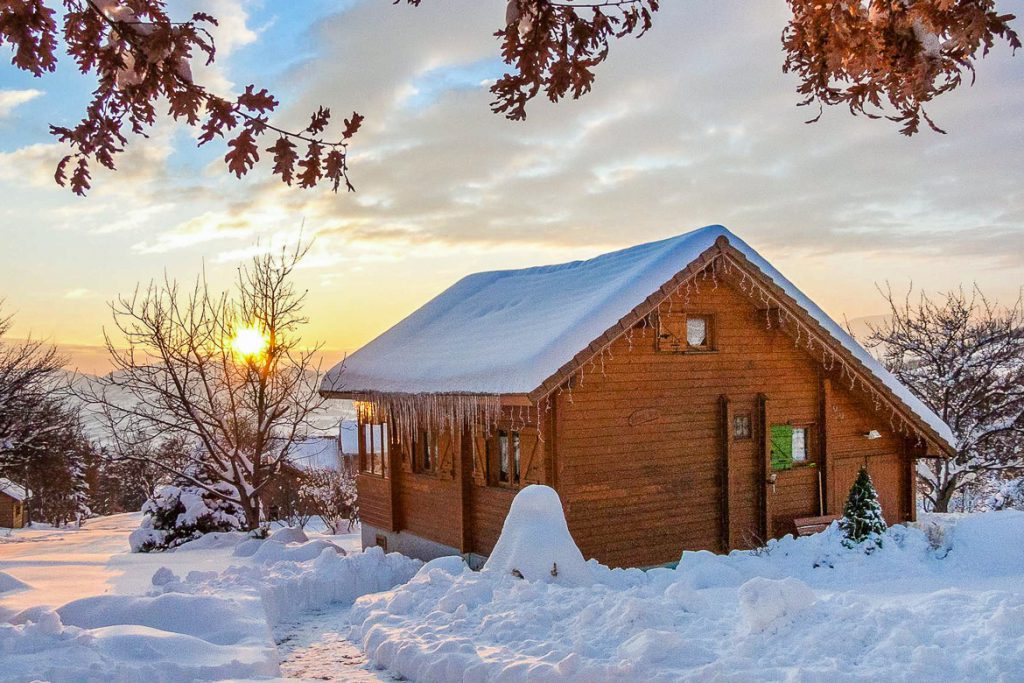
Winter creates a real fork in the road for travelers. One path leads straight into the season: world-class powder, alpine villages, and the northern lights. The other path leads away from it entirely, toward dry-season sunshine, warm ocean breezes, and clear blue water.
This guide draws on expert rankings like U.S. News’ Best Winter Vacations, seasonal weather data, and our own destination research. It covers the best places to go between December and March, whether you’re chasing pristine ski slopes or a warm-weather sanctuary. We’ve also added the one factor most winter guides skip entirely: how to tell a genuinely certified sustainable stay from a resort that just calls itself “eco-friendly.” For more seasonal inspiration, our 2026 travel trends guide covers where the world is heading next.

Top Snow and Cold Winter Destinations
For travelers who see winter as a celebration, not an obstacle, these destinations deliver reliable snowpack and unforgettable cold-weather culture.
Big Sky, Montana, USA — Ski Resort Guide
For starters, Big Sky is the answer if you want wide-open runs and legendary powder, without the crowds of more famous Colorado resorts. It spans nearly 6,000 acres of skiable terrain, with immense vertical drops and dramatic mountain views. For a broader comparison of premier properties, Condé Nast Traveler’s ski guides offer excellent insight.
Best months to visit: January through March delivers the most reliable peak snow and deep powder. December works well too, if you’d rather trade some snow depth for fewer crowds.
Lapland and Rovaniemi, Finland — Arctic Travel
Indeed, Finnish Lapland sits inside the Arctic Circle, and it delivers on the promise of immersive winter magic. Think dog sledding, reindeer safaris, and overnight stays in glass igloos or snow hotels. Add in a genuine shot at the Northern Lights, and it’s hard to beat.
Best months to visit: December through February brings deep snow cover, the mystical Polar Night atmosphere, and the highest odds of aurora activity.
Quebec City, Canada — Historic Winter Getaway
In fact, Quebec City offers something rare in North America: a walled, European-style old town, draped in snow and holiday lights. Beyond the architecture and French cuisine, the city hosts the massive Quebec Winter Carnival. Nearby ski hills and ice hotel stays round out the trip.
Best months to visit: January and February are the coldest months. That’s also when the atmosphere is most festive, snow cover is most reliable, and the winter festival calendar peaks.
Jackson Hole, Wyoming, USA — Mountain Vacation
Overall, Jackson Hole means dramatic topography and serious skiing. Set against the sharp peaks of the Grand Tetons, it combines challenging terrain with exceptional wildlife viewing at the nearby National Elk Refuge.
Best months to visit: January through March ensures consistent snowfall, with the full mountain open across expert and intermediate zones alike.
Lucerne and the Swiss Alps, or the Italian Dolomites — Europe Ski Trip
For a classic option, Lucerne offers an alpine escape: lakeside charm, historic Christmas markets, and an easy jump into the high Alps. The Italian Dolomites, meanwhile, carry extra energy this season thanks to the spotlight from the Milan-Cortina Winter Olympics. For more European alpine options, browse the U.S. News European winter rankings.
Best months to visit: December through February delivers a festive holiday atmosphere and reliable high-elevation snow. February is the prime window for Olympic-related energy.
Sapporo and Hokkaido, Japan — Powder Skiing
Notably, Hokkaido is internationally famous for some of the lightest, driest powder on earth. Beyond the skiing itself, visitors can unwind in traditional outdoor hot springs and catch the world-famous Sapporo Snow Festival.
Best months to visit: January and February guarantee maximum snow depth, and they line up directly with the festival schedule in early February.
Best Warm Winter Vacation Escapes
If freezing temperatures and heavy coats aren’t part of your plan, these destinations offer the exact antidote: dry weather, long sunshine hours, and warm coastal waters during the Northern Hemisphere’s coldest months. For more inspiration, Going’s warm winter getaways guide outlines some excellent sunny routes.
Belize — Tropical Vacation Guide
For example, Belize consistently ranks among the top overall winter destinations for travelers who want jungle adventure alongside marine exploration. As a result, the dry season brings calm seas to the Caribbean coast. That makes it the ideal window to dive the Great Blue Hole, explore Mayan ruins, and hike lush inland rainforest.
Best months to visit: December through April is the dry season, with lower humidity and ideal conditions for offshore activities.
Cancún, Tulum, and the Riviera Maya, Mexico — Beach Resort Guide
Meanwhile, Mexico’s Caribbean coastline is a reliable favorite for North American travelers. It delivers consistent warmth, historic culture, and extensive resort infrastructure. As a result, daytime temperatures make it easy to move between beach lounging and exploring coastal ruins in the same day.
Best months to visit: December through April offers the most dependable dry-season weather, with daily temperatures typically between 75 and 85°F.
The Maldives — Luxury Overwater Bungalow Vacation
For luxury seekers, the Maldives hits its stride in winter. There, overwater bungalows sit above calm, crystalline water, ideal for snorkeling, scuba diving, and simply doing nothing at all.
Best months to visit: December through April is the Northeast Monsoon dry season, bringing the least rainfall and the best water visibility of the year.
Oahu or Maui, Hawaii, USA — Tropical Travel
In contrast, Hawaii balances outdoor adventure, beach culture, and seasonal wildlife for U.S. travelers seeking passport-free warmth. Meanwhile, winter is also peak migration season for Pacific humpback whales, which makes coastal boat tours a real highlight, not just an add-on.
Best months to visit: December through March brings comfortable weather in the mid-70s to low 80s, alongside peak whale-watching conditions.
Turks and Caicos or Saint Lucia — Caribbean Luxury Islands
Still, if pristine sand and relaxed luxury top your list, these islands deliver some of the finest beaches anywhere. Turks and Caicos offers powdery white shores and calm reefs. Saint Lucia, in contrast, pairs dramatic volcanic scenery with upscale resort hideaways.
Best months to visit: December through April brings dry, reliable weather. This is peak demand season, though, so book well in advance.
Costa Rica — Eco Tourism and Adventure Travel
In particular, Costa Rica’s dry season makes it one of the most dynamic warm-weather destinations for families and adventure seekers alike. For example, you could easily surf the Pacific coast in the morning and zip-line through cloud forest by afternoon. It’s also a genuinely strong pick if sustainable travel matters to you: Costa Rica pioneered destination-level ecotourism decades before it became a mainstream trend.
Best months to visit: December through April is the driest period nationwide, with good conditions on both the Pacific and Caribbean coasts.
Canary Islands, Spain, or Key West, Florida, USA — Short-Haul Sun
Finally, for a shorter-haul escape, these destinations deliver dependable mild warmth without a long transoceanic flight. The Canary Islands offer European sunshine around 70°F. Key West, meanwhile, delivers classic Florida Keys warmth in the upper 70s.
Best months to visit: December through February is the mildest, driest window for both regions.

Choosing a Certified Sustainable Winter Stay
For Snow Destinations
To begin with, ski resorts have their own certification landscape, separate from hotel certifications. Flocon Vert (Green Snowflake) is the reference mark for French and European resorts committed to environmental management. Green Key covers hotels, lodges, and other establishments more broadly, including many ski towns. Some resorts go further still: Les Arcs, in the French Alps, became Europe’s first B Corp-certified ski resort, meeting the same rigorous social and environmental bar as any other B Corp business. When a destination markets itself as an eco-friendly mountain resort, look for one of these named certifications before you book. A green logo alone isn’t proof of anything.
For Warm Escapes
On the other hand, for tropical and beach destinations, the same rule from our hotel guide applies. The Global Sustainable Tourism Council (GSTC) accredits the certification bodies that audit hotels and resorts against real criteria: environmental impact, community benefit, and cultural heritage. We break down what the GSTC is and why it matters, and how certifications like Bioscore Sustainable work, in our Certifications series. Costa Rica, in particular, has some of the highest concentrations of genuinely certified sustainable lodges anywhere in the tropics. That makes it a strong starting point if certification is a priority for your trip.
Strategic Planning Notes for Online Hotel Booking
In short, securing the right accommodation during the peak winter window means matching your booking strategy to your destination type.
For snow destinations: peak ski weeks, especially Christmas through New Year and mid-February, book out months in advance. Look for true ski-in, ski-out properties to maximize mountain time. Also check whether lift tickets can be bundled into hotel packages, and always verify the resort’s weather-related cancellation policy. For broader ideas on cold-weather sports, National Geographic’s winter adventures guide offers great context.
For warm escapes: high season brings peak rates and heavy demand across the Caribbean, Mexico, and the Indian Ocean. Filter your search for flexible, free-cancellation properties. Consider an all-inclusive resort to lock in total costs upfront. Also look closely at the shoulder edges of the season, early December or late April, if you want better value with minimal weather compromise.
Cost management: always cross-check total costs before booking. Warm-weather resorts frequently carry mandatory daily resort taxes and fees, separate from the base room rate. That’s the same “real price” discipline we cover in our hotel booking FAQ.
The Bottom Line
In the end, the best winter destination isn’t a single ranked list. It’s the one that matches your definition of a good winter: boots by the fire, or a cold drink on white sand. Align your travel window with local weather patterns, and either version of that trip becomes easy to plan well.
At this world to book, every property comes with its sustainability credentials already verified. So wherever winter takes you this year, explore our destination guides or browse certified sustainable hotels to start planning.