

The European Commission adopted the EU Sustainable Tourism Strategy on 4 November 2026. It sets out a new framework for European tourism, and for the first time it puts destination management at the centre of EU tourism policy. Here is everything destinations, businesses and travellers need to know.
What the EU Sustainable Tourism Strategy is
The strategy is built on three pillars, ten action areas and 29 actions, and each action comes with a date. It covers everything from simplification and data to destination management and crisis preparedness.
It follows a busy year for EU rules that touch travel. If you have been following our coverage of the EU greenwashing rules for travel, you will recognise the direction of travel: more evidence, fewer vague promises.
The headline goal: from volume to value
“Shift from volume to value: ensure tourism delivers tangible benefits for local communities.”
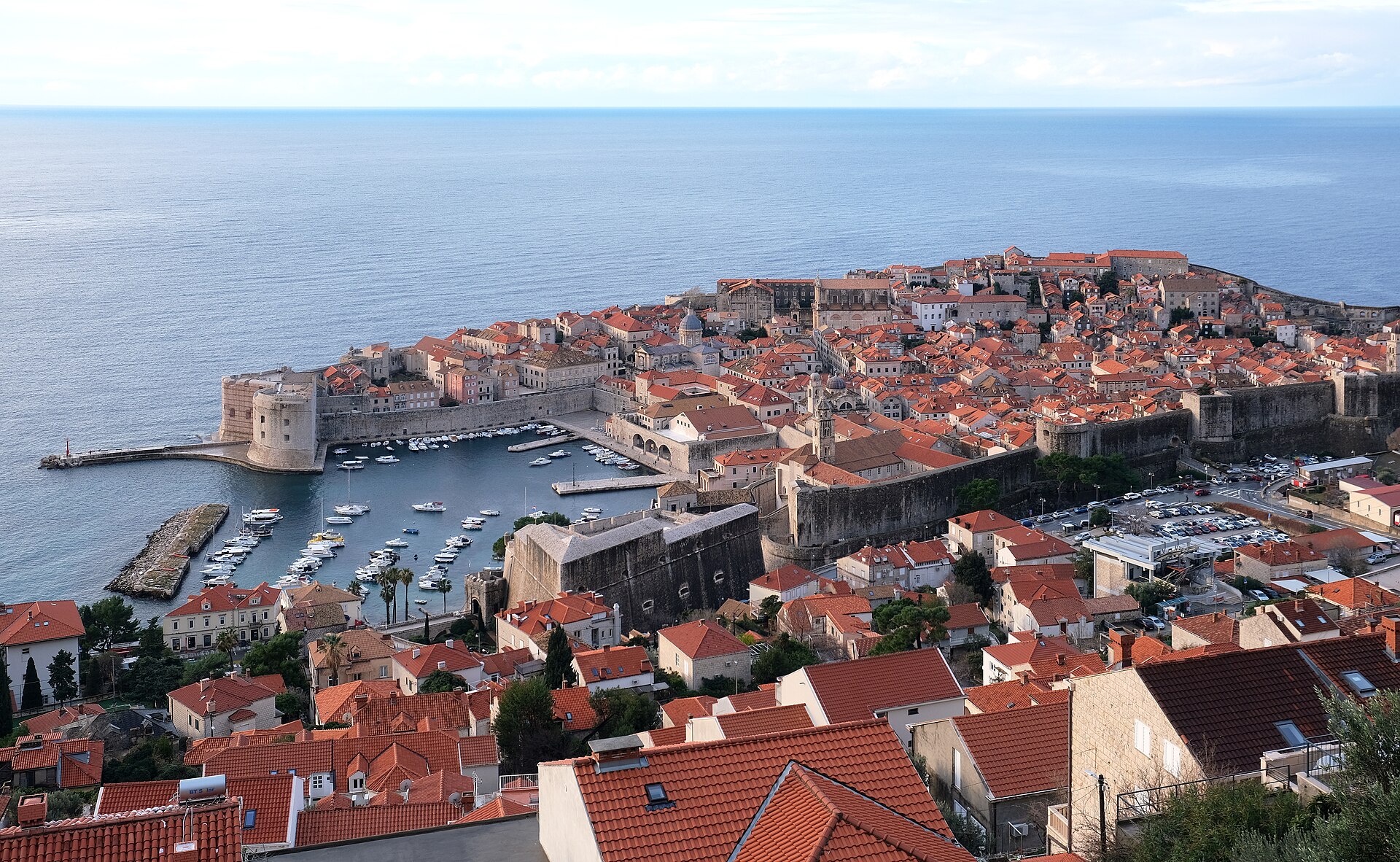
In practice, that means spreading visitors across regions and seasons instead of concentrating them in a handful of hotspots. According to the Commission, on average 42% of nights in a destination fall in its three busiest months. It is the same idea behind responsible tourism: tourism should leave a place better off, not just busier.

The five measures that matter most to destinations
1. An EU Model for Tourism Management
A voluntary benchmark for how destinations are managed, linked to EU funding. Expected in the second half of 2027.
2. Balanced tourism
A Council Recommendation on Balanced Tourism Management and an EU Toolbox, including shared approaches to short-term rentals. Also expected in the second half of 2027.
3. Shared intelligence
An EU Tourism Observatory (first half of 2027) and a common performance framework for the sector, backed by a revised tourism statistics regulation and a Common European Tourism Data Space.
4. An EU Tourism Alliance
A partnership of Member States, regions, local authorities and industry to steer implementation of the strategy.
5. An EU Tourism Academy
A new hub for skills and talent in the tourism workforce, planned for the second half of 2027.

What the strategy leaves open
Each measure is a commitment to develop something, not a finished tool. Several big questions are still to be worked out:
- How value is measured.
- How residents take part in decisions about their own destinations.
- How sustainability claims are backed by evidence.
- How destination management organisations account for their own emissions.
The tools are also voluntary, and the strategy brings no new dedicated funding or numerical targets. That puts the burden on destinations to turn the framework into practice. Independent certification is one way to show progress today, as hotels like Barceló have done with GSTC certification across all its properties in Spain.


What it means for travellers
For travellers, the shift from volume to value should mean more reasons to visit outside peak season, better-managed destinations and more reliable information about what is really sustainable. You can already travel this way: our sustainable travel guide and our pick of sustainable vacation destinations are good places to start.
The CAMPUS Programme 2027
We have decoded the strategy, measure by measure, on one page, along with the CAMPUS Programme 2027. In the programme, destinations build the six instruments from CAMPUS 2026 into working methods, timed to the strategy. Enrolment is open until 31 January.
Read more about how our programme aligns with the new EU Sustainable Tourism Strategy, including a full timeline of each deliverable and which ones apply specifically to destination management organisations.
Thank you
Congratulations to Commissioner Apostolos Tzitzikostas and Magda Kopczyńska for their leadership, and to the team at the tourism unit, Elisabeth Kotthaus, Andreea Staicu, Misa Labarile, PhD, and Joshua Salsby, as well as the many people in our community who have been strong advocates in steering this work through the T4T Expert Groups.
Which of these measures will change your work most in 2027? Tell us in the comments.